post-impressionism
View
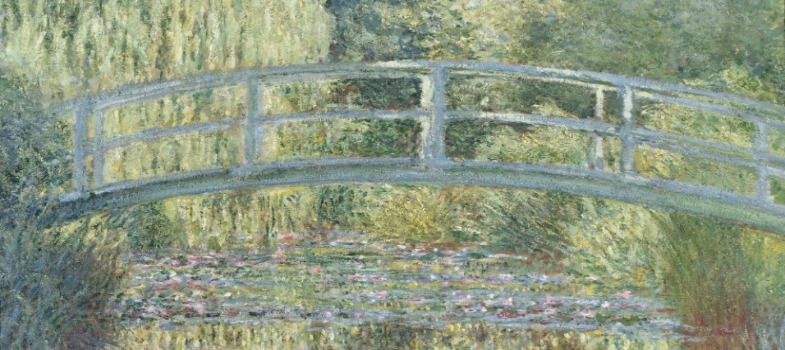
Post-Impressionism was a trend in the arts that occurred in France in the late nineteenth and early twentieth centuries.
This the groundbreaking movement began to emerge in 1880 and remains until the emergence of Cubism in 1907.
In reality, this current is spontaneously organized, inspired and at the same time confronting the so-called impressionism.
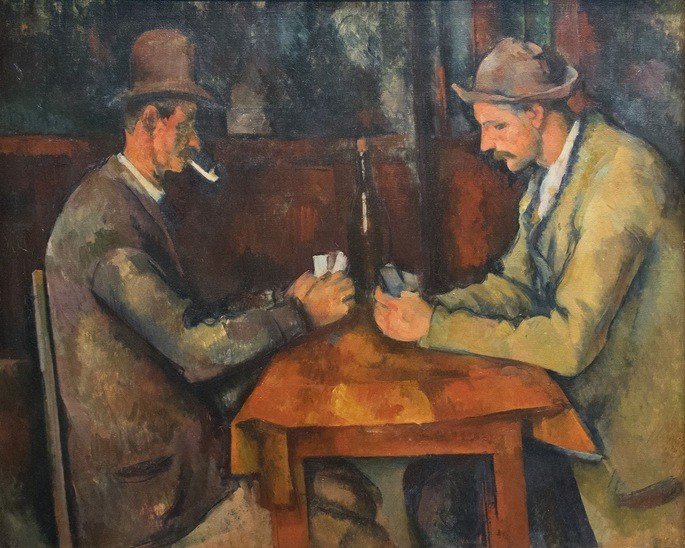
The term post-impressionism was first used by British art critic Roger Eliot Fry (1866-1934) to designate works exhibited at the Grafton Galleries in London in 1910.
The exhibition included paintings by Paul Cezanne, Vincent van Gogh, and Paul Gauguin. Alongside the French painter Georges Seurat, they were the most important representatives of this new trend
Key Features of Post-Impressionism The post-Impressionist current was not homogeneous, and likewise, the art produced in this period has several characteristics. However, we can list some particularities in the works of the artists who fit this aspect. To know: Subjectivism; Chromatic freedom; Enhancement of light and texture; Pointillist technique; Appreciation of everyday themes; Two-dimensionality over perspective.
Last modified: Thursday, 9 April 2020, 4:56 AM