Challenging MND MDT guidelines
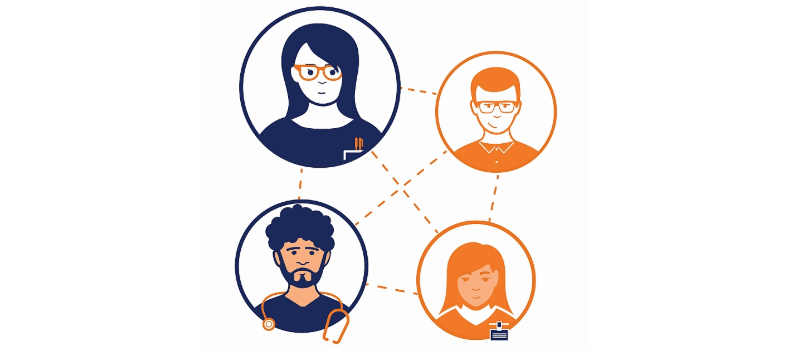
The NICE Guideline NG42 sets out clear expectations for multidisciplinary team (MDT) working in the care of individuals with motor neurone disease (MND), with recommendations 1.5.2 and 1.5.3 emphasising coordinated assessments, effective communication, and the involvement of a full complement of healthcare and social care professionals. While these recommendations present an aspirational model of collaborative practice, my experience of working within MDTs suggests that the ideal described in the guideline is not always fully realised in everyday clinical settings.
Although the guideline highlights the importance of regular, well‑coordinated assessments, this level of coordination is often difficult to achieve consistently. MDT meetings are sometimes convened without all key professionals present, particularly those whose specialist input—such as dietetics, respiratory therapy or speech and language therapy—is essential for holistic assessment in MND. When these professionals are unavailable, discussions may be incomplete, and opportunities to make timely decisions or anticipate deteriorations may be missed. This contrasts with the guideline’s assumption that all relevant expertise will be accessible at each review.
Communication and information‑sharing also represent significant challenges. The guidance emphasises seamless communication across disciplines, yet in practice, essential clinical information is not always shared promptly or with all members of the wider care team. For clinicians delivering care outside MDT meetings, this can create gaps in knowledge that impact the ability to provide safe, responsive nursing care. Ensuring that every professional involved in a person’s care is updated in real time is often difficult within fragmented service structures.
Another tension arises around referral pathways. The guideline advocates timely referral based on need, but organisational culture and professional boundaries can complicate this. There can be an implicit belief that only certain professionals should initiate referrals, even when others recognise a clear clinical requirement. This can result in delays and create barriers to accessing essential specialist interventions. The sense that referrals must come from designated individuals may inadvertently undermine the collaborative ethos the guideline promotes.
Overall, while NG42 effectively captures the essential principles and aims of MDT working, it does not fully reflect the operational, cultural and communication‑related barriers that MDTs commonly encounter. These challenges are especially significant in the context of MND, where timely, coordinated, and anticipatory care is crucial due to the rapid and complex nature of disease progression.