Classic period
The violent action had already been explored in the sculpture in the archaic period whose figures although technically carved of round form are not loose.
The concept of counterpoint facilitated the evolution of sculpture in the classical period. The monumental statuary in motion was the supreme achievement of a severe style.
The throwing of the weapon is attributed as a divine gesture and not as an attacking gesture against the opponent. The problem of condensing an entire sequence of movements into one position without making it rigid is much more complex because it involves a violent torsion of the trunk to bring the movement of the arms in the same plane as the legs are moving.
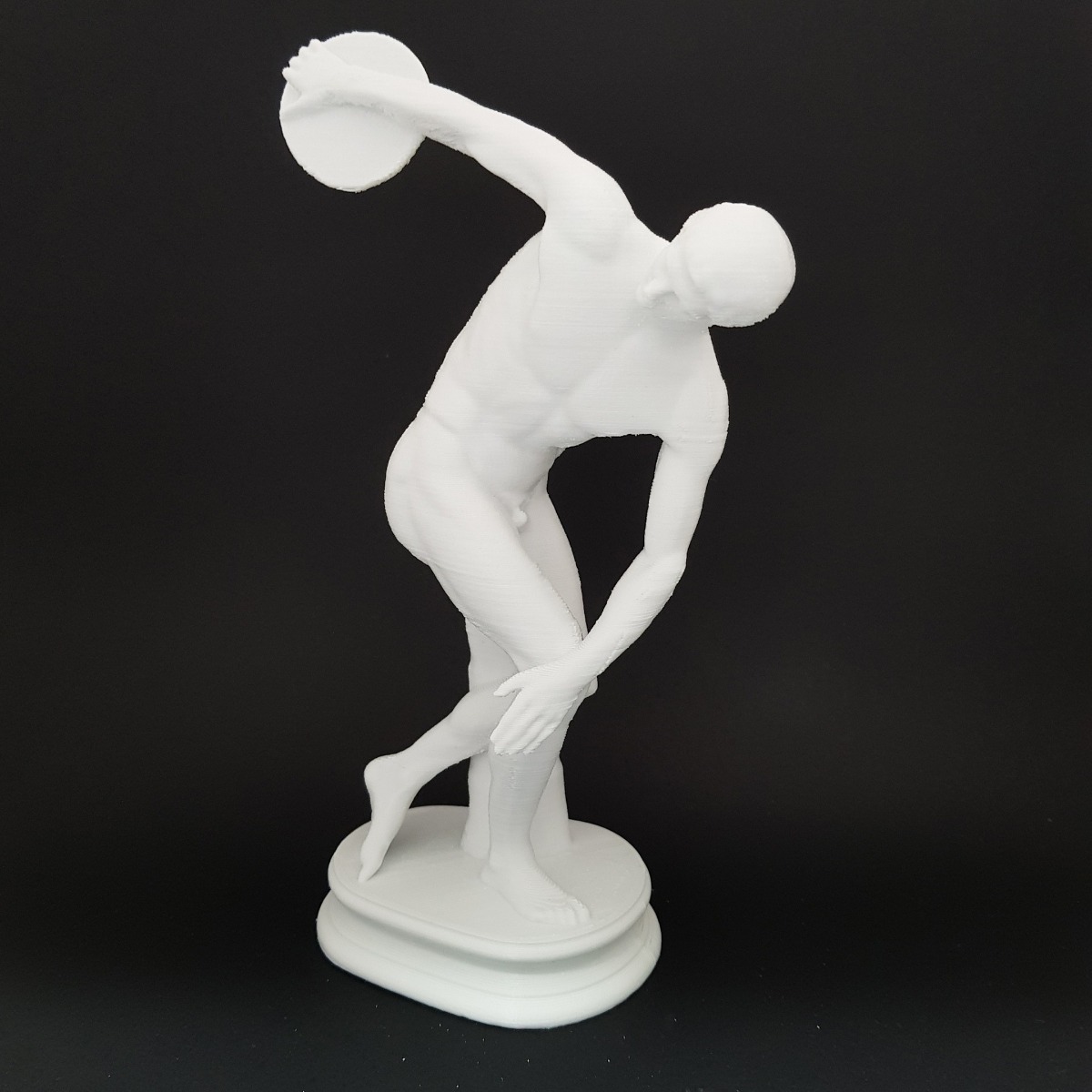
The Discobule brings us to the threshold of the second half of the century, the age of the classical style in full maturity.
The realm of movement in the round statues came to exert a liberating influence, endowing them with a new spatial sense of fluidity and balance.
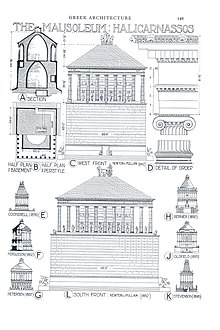
The contrast between the classical and pre-Hellenistic period is overwhelmingly demonstrated by the only work of the 4th century which corresponds in size and ambition to the Parthenon. It is not a temple but a huge tomb that was called a Halicarnassus Mausoleum.