
Roman art
While traditional views suggest that ancient Roman artists largely copied Greek models, recent analyses reveal that Roman art is a creative amalgamation influenced by Greek, Etruscan, Italic, and Egyptian cultures. Key characteristics of Roman art include stylistic eclecticism and practical application. According to Pliny, who documented the artistic advancements of the Greeks, many art forms reached greater sophistication during Greek times than in Rome. Notable Greek artists like Polygnotos and Apollodoros set the groundwork for techniques that Roman artists emulated. Despite the heavy influence of Greek art, trade and education facilitated the integration of diverse artistic traditions within Roman art.
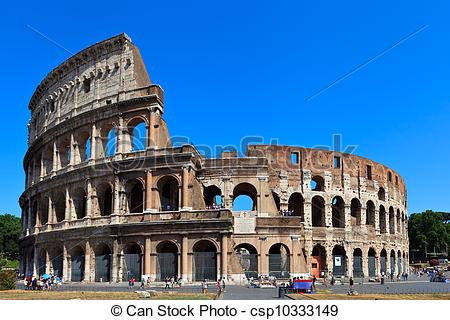
The extensive number of Roman replicas of Greek artworks underscores the admiration Roman artists held for Greek art, often perceived as rarer and superior in quality. Various artistic forms and techniques utilized by Romans, including high and low relief, free-standing sculpture, bronze casting, vase art, mosaics, cameos, coin art, fine jewelry and metalwork, funerary sculpture, perspective drawing, caricatures, genre and portrait painting, landscape painting, architectural sculpture, and trompe l’oeil painting, were pioneered or enhanced by Ancient Greek artists. A notable exception is the Roman bust, which typically did not encompass the shoulders, suggesting possible Etruscan or early Roman origins for this style.
Furthermore, nearly every artistic technique employed by Renaissance artists, approximately 1,900 years later, was previously demonstrated by Greek artists, with the notable exceptions being the use of oil paints and mathematically precise perspective. While Greek artists enjoyed significant societal stature and were often recognized for their contributions to artistic theory, Roman artists, in contrast, largely remained anonymous and were regarded as tradesmen. Unlike the Greek tradition, which celebrated aesthetic value and extensively documented artistic theory, Roman art primarily served decorative and status-related functions, reflecting wealth rather than deep philosophical engagement.
The Roman cultural landscape was distinctive due to its expansive cities compared to the smaller Greek city-states, leading to art that was not only more widespread and varied in purpose but also more utilitarian. Romans assimilated influences from numerous cultures, demonstrating a level of tolerance towards the customs of conquered peoples. This assimilation resulted in greater production and display of art, as wealthy Romans adopted a more materialistic ethos, adorning their surroundings with art, decorative items, and personal adornments.
In the latter part of the Empire, from 350 to 500 CE, the rise of wall paintings, mosaic work, and funerary sculpture marked the Roman artistic landscape, while traditional full-sized sculptural and panel works diminished, likely due to religious transformations. The relocation of the empire's capital to Byzantium (later Constantinople) under Constantine ushered in Eastern influences, leading to the development of the Byzantine art style. After the sack of Rome in the 5th century, many artisans migrated to the Eastern capital, where Roman art reached its zenith during the reign of Emperor Justinian (527–565 CE), responsible for notable projects such as the mosaics in the Basilica of San Vitale in Ravenna and the construction of the magnificent Hagia Sophia, employing nearly 10,000 workers.