
Byzantine Christian Art
In contrast to ancient cultures like Nineveh, Knossos, or Athens, Romanesque and Gothic art in medieval Europe was distinguished by the lack of a central authority. Cultural movements were able to spread throughout different regions due to the weakness of national consciousness and the flexibility of national boundaries. The Church of St Trophime in Arles, the Cathedral of Chartres, the Cathedral of Santiago, and the Church of San Zeno in Verona are just a few examples of how the Romanesque and Gothic spirit can be found throughout Western Europe. Geographical hubs like Florence or Paris had less of an impact on this art movement than the structure of the Catholic Church.
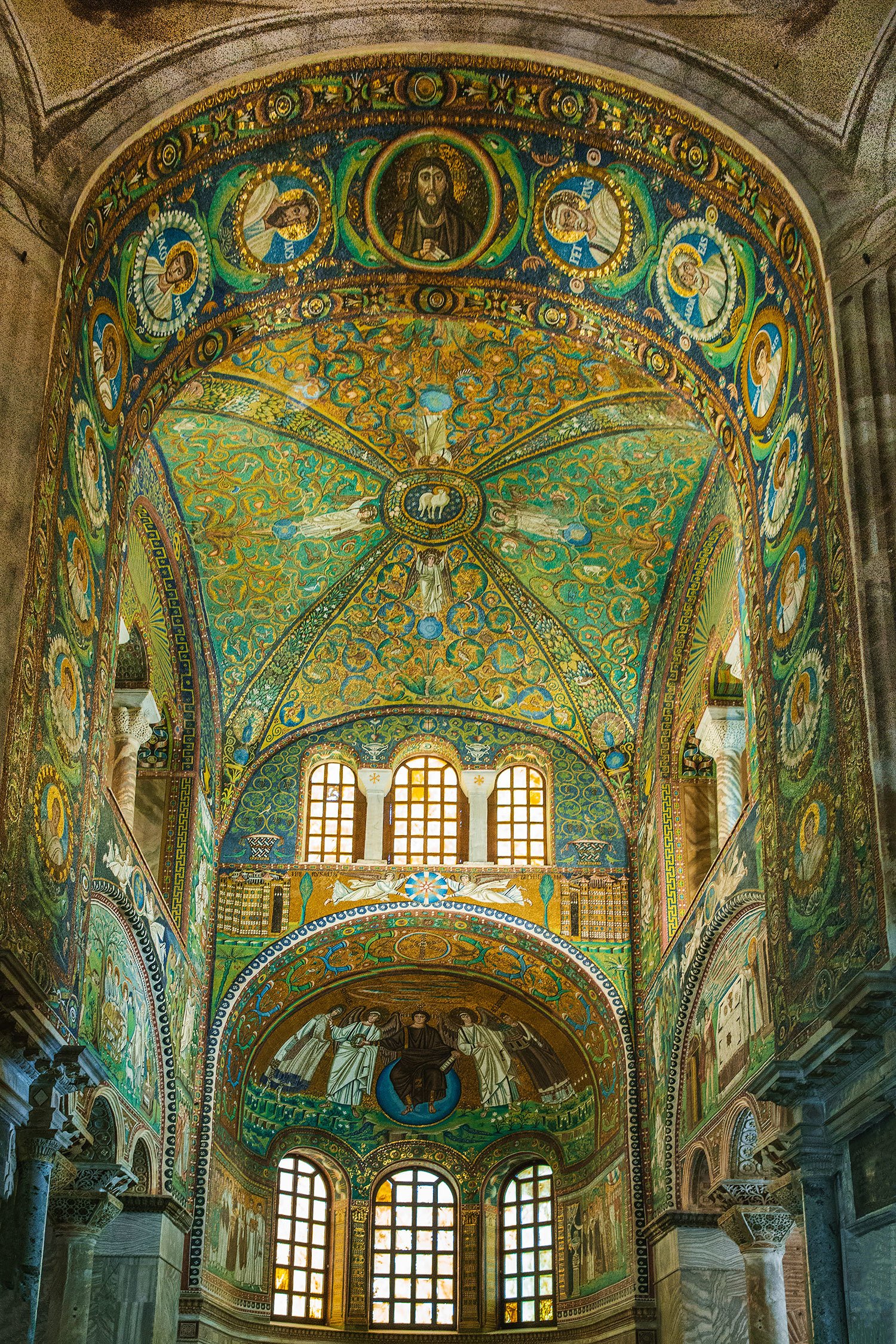
The Byzantine art era, characterized by its immense yet anonymous output, presents a unique perspective on the evolution of artistic expression, particularly evident in the Romanesque movement. Key to this movement is the seamless integration between sculptural work and its architectural context, as exemplified by the St Trophime facade. The arrangement of statues, with their intricate surfaces juxtaposed against smooth stone, rhythmically alternates with supporting columns, creating a visually captivating experience for the viewer. This medieval sculpture, while not profound, established a distinctive set of rhythms and textures that elevate its complexity, making archaic Greek sculpture seem comparatively simplistic.
In addition to its aesthetic qualities, Byzantine art significantly influenced subsequent developments in European art. This is exemplified by the fresco murals at the Church of St. Panteleimon in Gorno Nerezi, Macedonia, which reflect the sensitive and realistic style of Comnena Byzantine art. The foundations laid during this period also paved the way for Pre-Renaissance painting between 1300 and 1400, marked by the artistic endeavors of figures such as Giotto and the Florentine tradition, along with Duccio di Buoninsegna of the Sienese School. These advancements underscore the lasting impact of Byzantine artistic traditions on the broader European art landscape.