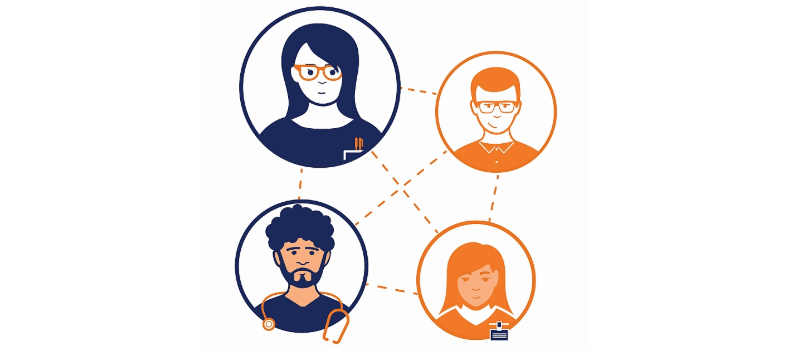
person centred care
my experience of this is that there are varying levels of how involved people living with MND wish to be with the mdt. this can vary from high levels of engagement wanting to plan care together to others who wish to take more of back seat or live for the day. i guess acting in a person centred way i try to get to know the person and gauge how much support they would like. there are many times when we make recommendtions that we think are in someones best interests - but whatever reason they dont wish to persue this course of action. of course I explained the risks and benefits of all courses of action and remain supportive of them whatever they decide. i am not talking here about those with significant cogntive impairment - if they lack capacity to make a certain decision (despite best efforts to support them to make an informed decision) then we will discuss with their family / carers / rest of care team and try and act in their best interests. sometimes this is person centred care. the decisions of course need to be proportionate to the risk and potential outcomes.
one of the key things I have come to learn over the few years of doing this job is to try and be led by the person, particulalrly on the first meeting, rather than thinking i need to know a, b, c & d. part of this is about being seen to listen and understand their perspective which hopefully helps to build trust. I believe clients do need to trust their coordinator and MDT. without this it is difficult to undertake effective advance care planning.
sometimes I have encouraged clients to say no to visits and ensure that they have days free from appointments to do nice things with their friends and family. or just to do nothing at all but have a day free for themselves.
i recently arranaged for a gentleman with MND + severe fTD to have music therapy as this was / is his only way to express himself
person centred care needs to extend to family and carers also and if the person with mnd is happy, I try and involve family members in care planning and education also
these are just a few thoughts
- I believe that you make a valid point about varying levels of engagement from patients in the MDT. It is important to respect the patients wishes and how involved they wish to be.
- It can be easy as professionals to 'problem solve' as issue that the patient feels they aren't concerned about or don't need assistance with / equipment for. It is important to consider what is a priority to the patient.
- Holistic therapies can be a enjoyable way for patients to connect and communicate / express themselves. Locally - I find that local hospice and charities provide this.