6.2 What is a Creative Commons license?
Creative Commons (CC) is the most well-known licensing system with regards to using and sharing OERs. In fact, “Creative Commons (CC) has established a flexible copyright implementing model, the ‘some rights reserved’ model which values innovation and protection equally. CC licenses change the traditional mandatory rights assertion into a voluntary, optional rights approach” (Wang, 2008). Creative Commons provides a series of licenses under certain permissions to use such materials. With this license it is easy and simple to use other people's resources. Also, Creative Commons licenses enable you to define the terms under which your material can be reused. These licenses act as concrete regulation for all users.
Watch the following video to get all the basic information about what Creative Commons licenses are:
All Creative Commons licenses are constructed from a combination of four specific “rights” or conditions that can be reserved by the creator or author of the resource. These include the following: Attribution (BY), ShareAlike (SA), NonCommercial (NC), NoDerivatives (ND) as they are presented in Table 1:
| The types of Creative Commons licences | ||
|---|---|---|
| Condition | Symbol | Explanation |
| Attribution |  |
All CC licences require that others who use your work in any way must attribute it – i.e., must reference the work, giving you credit for it – the way you request, but not in a way that suggests you endorse them or their use of the work. If they want to use your work without giving you credit or for endorsement purposes, they must get your permission first. |
| NonCommercial |  |
You let others copy, distribute, display, perform, modify (unless you have chosen NoDerivatives) and use your work for any purpose other than commercially. If they want to use your work commercially, they must get your permission first. |
| NoDerivatives |  |
You let others copy, distribute, display and perform only original copies of your work. If they want to modify your work, they must get your permission first. |
| ShareAlike |  |
You let others copy, distribute, display, perform and modify your work, as long as they distribute any modified work on the same terms. If they want to distribute modified works under other terms, they must get your permission first. |
Table 1. Types of Creative Commons Licenses (Butcher, 2015) - Source: https://www.oerknowledgecloud.org/archive/2015_Butcher_Moore_Understanding-OER.pdf
The most popular combinations of Creative Commons rights or conditions make up six licenses as it is described in Table 2:
| Licence | Symbols | Type of use | You can |
|---|---|---|---|
| Attribution (BY) | 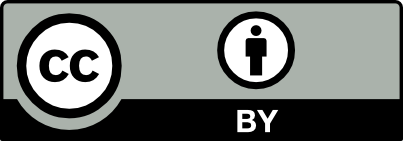 |
Commercial and non-commercial |
|
| Attribution-Noncommercial (BY-NC) | 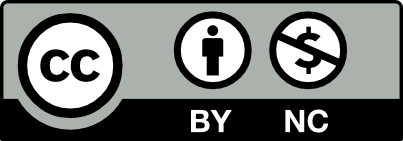 |
Non-commercial only |
|
| Attribution-Share Alike (BY-SA) | 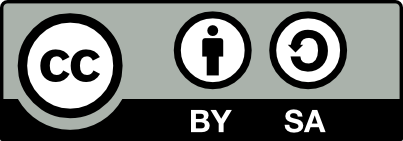 |
Commercial and non-commercial |
|
| Attribution-No Derivative Works (BY-ND) | 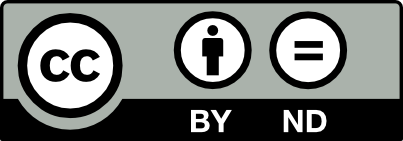 |
Commercial and non-commercial |
|
| Attribution-Noncommercial-Share Alike (BY-NC-SA) | 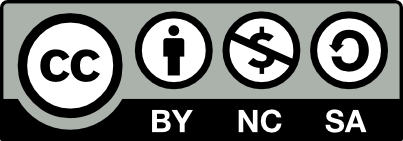 |
Non-commercial only |
|
| Attribution-Noncommercial-No Derivative Works (BY-NC-ND) | 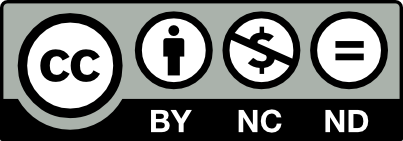 |
Non-commercial only |
|
Table 2. "Creative Commons" by National Copyright Unit, n.d.
The Royal Society of New Zealand and Creative Common Aotearoa have created an infographic (Figure 1) that can support teachers to understand how the CC licences work by proposing a set of questions for each of the 6 CC licenses combination or conditions.
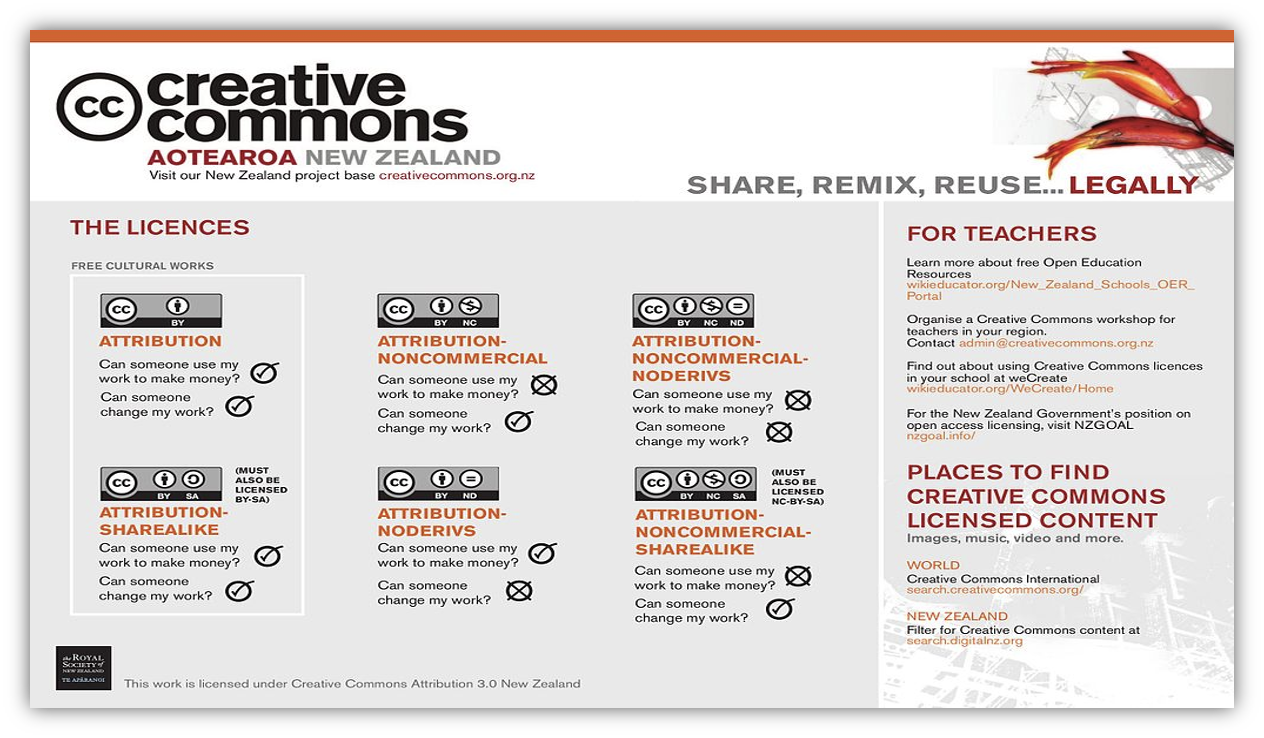
Figure 1. Creative commons poster by Royal Society of New Zealand and Creative Common Aotearoa licensed under CC BY 3. 0

You can download a PDF of Kathleen Moore’s poster (Figure 2) for CC commons for teachers and students here.
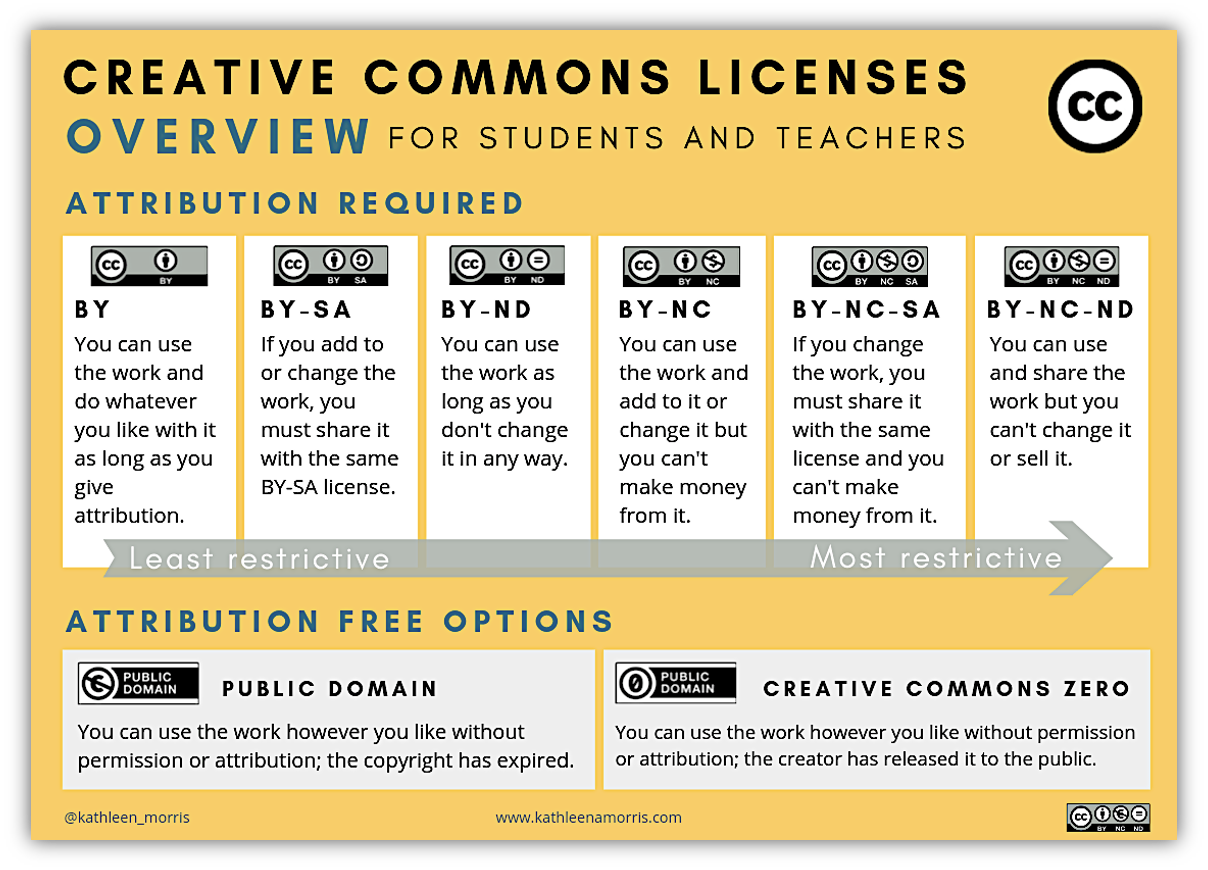
Figure 2. “Creative Commons licences Overview for students and teachers” by Kathleen Morris is licensed under CC BY NC ND
Check the diagram below (Figure 3) which shows the simple questions you need to ask yourself when finding and creating content for use with your learners and colleagues.
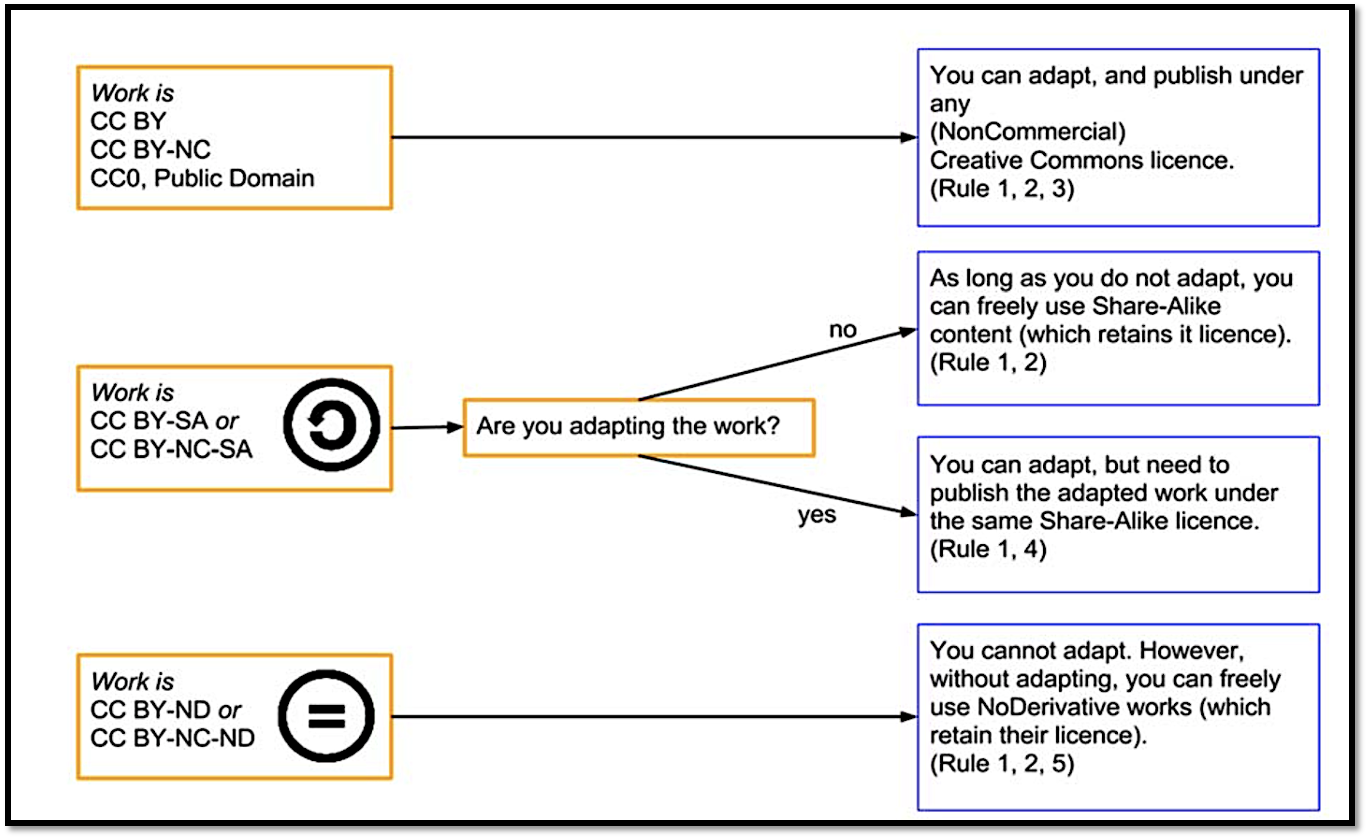
Figure 3. “Creative Commons licence pathfinder”: Retrieved from the Toolkit National Copyright Unit, Copyright Advisory Groups (Schools and TAFEs), licensed under CC-BY 4.0
Remember that when you apply an open licence to your resource, this turns an educational resource into an Open Educational Resource (OER). But it is important to know which materials you have the right to license (i.e. openly licensed materials) and those that you do not have the right to licence (i.e. often third-party content).
Learning Activity 2
Understand CC licences restrictions
Watch the following video which is intended to help you choose compatible resources and choose a valid license for your work. Suppose you are developing an open educational resource (OER), and you want to use some other OER within yours. If you create a derivative work by adapting or combining works offered under Creative Common licenses, you must not only follow the terms of each of the licenses involved, but also choose a license for your work that is compatible with the other licenses. Can you find the less and the more restrictive license?
Learning Activity 3
Working with CC license
Task 1: Select an open language teaching material from the web.
Task 2: Run through the content so that it can be published as an OER.
Task 3: Which Creative Commons license would you use?
Learning Activity 4
“Creative Commons licence pathfinder”
Check the “Creative Commons licence pathfinder” diagram and reflect: In which cases you are not allowed to adapt an OER?
Additional Resources
You are invited to watch this interesting webinar in which Jennryn Wetzler, Assistant Director of Open Education at Creative Commons, brings a wealth of experience and describes how the use of open licenses and OER can be used to enhance teaching and learning. The webinar also explores the National Forum’s Open Licensing Toolkit.
You are also invited to watch this training session that explains the basics of copyright and explores some issues surrounding copyright and Creative Commons licences. The training session is designed to raise your awareness of copyright and other issues that may impact on your own content, or the content you may be accessing from other sites or areas for use in your OER. The training was delivered by Bernie Attwell on 19 March 2012 in the context of the OERSCOREProject.
Check also the chapter 2 “Copyright & Open Licensing” of the book: Butcher, N., & Moore, A. (2015). Understanding open educational resources. Commonwealth of Learning.
References
Butcher, N. (2015). A basic guide to open educational resources (OER). Commonwealth of Learning, Vancouver and UNESCO. Retrieved from http://oasis.col.org/handle/11599/36
Wang, C. (2008). Creative commons license: An alternative solution to copyright in the new media arena. Sydney University Press. Retrieved from https://files01.core.ac.uk/download/pdf/41231144.pdf