

5.3.1 Government taxation and subsidies
One of the things that governments can do is to tax fossil fuels and goods and services that create GHG emissions to encourage households or businesses to reduce those emissions. Or governments can provide grants and subsidies to encourage industry to develop low-carbon products and consumers to adopt them.
An example is transport taxation, in which new cars registered after 2017 with higher CO2 emissions per kilometre are charged a higher vehicle tax for their first year than those with lower emissions and a standard rate thereafter, with electric vehicles taxed for the first time from 2025. Another is the tax on petrol or diesel fuel intended at least partly to encourage people to change their travel behaviour.
Examples of grants and subsidies for emissions reduction include grants to low-income householders for home insulation and subsidies for installing heat pumps.
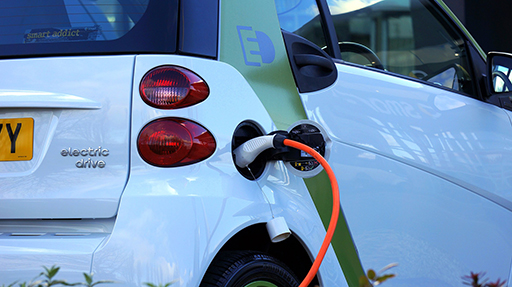
Taxes on emissions, such as a carbon tax on fossil fuels, are often not popular and they can hit poorer members of society harder than better-off ones. But by careful design to reduce undesirable consequences, such taxes and subsidies can be a very effective way of encouraging businesses, individuals and households to reduce their carbon footprint through financial penalties and incentives (Feng et al., 2010).
The carbon calculator allows you to decide whether to support an increase in taxes to fund national investments in decarbonising the economy and so reduce everyone’s personal footprint.