Q12. How to use AI in Class?
 LEARNING OUTCOME AI
By the end of this section, you will have explored responsible and creative ways to use AI tools to support your teaching and learning.
 LISTEN
AI has a huge impact on our teaching and learning processes. In the following podcast (4:11min), Denish Komakech, ICT teacher from Palabek SS in Lamwo District introduces how AI can support you in class. It explores how ChatGPT and other AI tools are influencing teaching, learning, and assessment in today’s classrooms. It discusses how teachers and students can use AI responsibly, while strengthening critical thinking, writing in their original thought, and fact-checking skills. You’ll also hear practical examples of how AI can support teachers by saving time and making lessons more engaging.
 WATCH
WATCH
The following video (8.20 min) by ClassPoint shares 15x practical tips on how teachers can use AI to save time and invest more in student learning.
For easier viewing on mobile, click ‘Watch on YouTube'.
 READ
READ
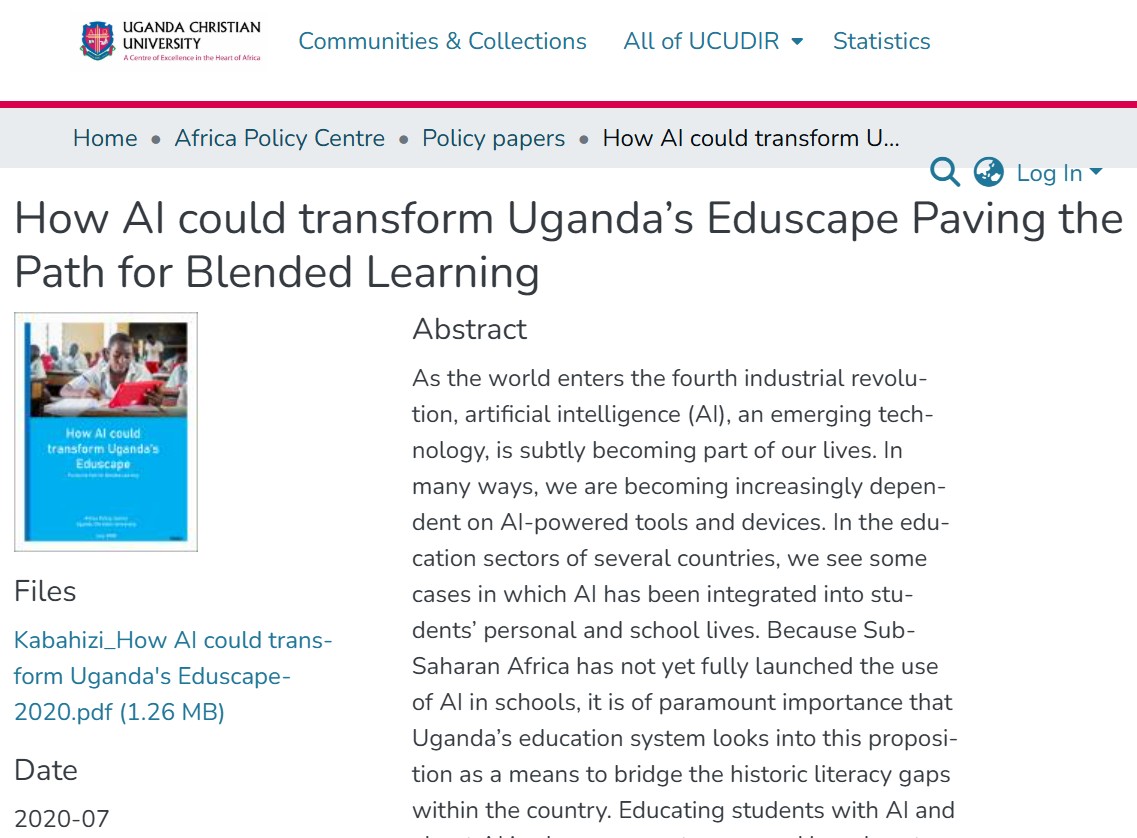
In the following article by Ugandan Christian University (UCU) uncovers how AI is being introduced in Ugandan schools to support teaching, learning, and school management. You will read about practical, local examples of how teachers and students can use AI tools to personalize learning, save time, and prepare for future skills.
 AI-INTEGRATION
How can AI support education?
AI-powered tools like MagicSchool can help teachers save time, personalise learning, and improve classroom practice.
👉🏾 AI tools for lesson and material creation
Example: “Use MagicSchool to generate a lesson outline, worksheet, or quiz adapted to your subject and grade level.”
👉🏾 AI tools for differentiation and inclusion
Example: “Use MagicSchool to adapt the same lesson for learners with different reading levels or learning needs.”
👉🏾 AI tools for feedback and assessment
Example: “Use MagicSchool to create feedback comments or exit tickets to quickly check student understanding.”
Click Next to step into the shoes of an AI detective to uncover truth from false information.