
2.1 Introduction
Study time: Approx. 2 hours

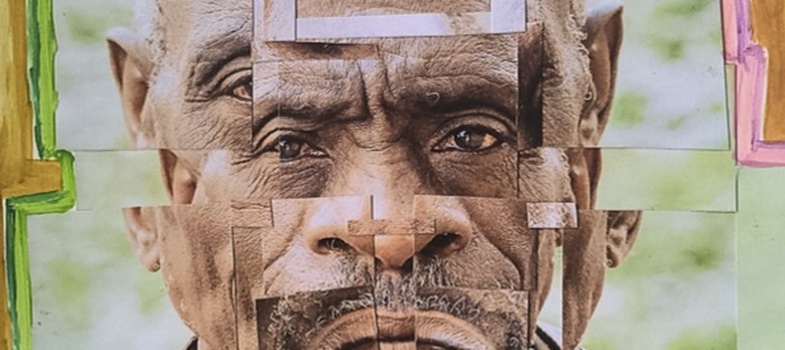
Image: Taken as part of one of Changing The Story projects (a DEPA sister projects in the Global Challenges Research Fund (GCRF) Education in Emergencies cohort).
The story behind it is called ‘Working Out How Things Are Allocated’ and is told by the Changing The Story project manager. On the surface, the inequity facing the project manager seems about budgeting. However, beneath this narrative lies a more fundamental message about EDIA. It shows how early decisions about transparency and involvement shape whether partners feel included from the start of research. If you wish you read the full story, you can find it in the Financial Equity room.
When developing research ideas and preparing a proposal, equity, diversity, inclusion and accessibility (EDIA) are not always considered from the outset.
Part of the reason for this is how research is approached. In the social sciences, researchers typically begin with a research problem, develop a research question, and then select an appropriate methodology. Although social science research often seeks to understand and address issues such as inequality, exclusion and injustice, EDIA is frequently treated as a consideration for later stages of a project, such as during participant recruitment, sampling, data analysis or public engagement.
Institutional and funding requirements can reinforce this idea of EDIA as something that is compartmentalised within research. Researchers may be asked to provide a separate EDIA statement outlining inclusive recruitment practices, plans for engaging with underrepresented communities, or commitments to gender equity. While important, these requirements can make EDIA feel like an additional task rather than a core part of early research design.
In this unit, you are encouraged to think differently. To view EDIA as an integral part of research development from the beginning because it can shape your research ideas, inform how projects are designed, who is involved, and the way proposals are developed. Rather than being an add-on, EDIA should be embedded within the thinking that underpins the research itself.
The rest of the course from this point, is organised around the four dimensions of the CERI framework, with each unit focusing on a different aspect of the acronym. This unit introduces you to the first dimension, the C - (Credibility and Competitiveness), where you will explore how embedding EDIA in the early stages of research development can strengthen the quality of research and the credibility and competitiveness of a proposal.
How this unit contributes to the course learning objectives
You will begin by exploring why EDIA matters during the earliest stages of research development and how it can be considered in two ways: through the less visible decisions that shape a project, and the more visible evidence of those decisions that appears within a proposal. Building on this, the second part of the unit examines governance and team composition as practical ways of embedding an Inclusive By Design approach from the outset.