
5.2.1 Rethinking Impact Through an EDIA Lens
Throughout this course, you have explored the ideas of Inclusive by Design and Inclusive in Practice. These ideas are equally important when thinking about impact. They encourage researchers to involve relevant communities, participants and stakeholders in discussions about meaningful change and to remain responsive as those priorities evolve throughout a project.
Research priorities do not always align perfectly with community priorities. Researchers, funders and institutions may focus on outcomes such as policy influence, service improvement or measurable change. Communities and participants may place greater value on outcomes such as trust-building, confidence, representation, strengthened relationships or developing local capacity.
An EDIA approach encourages researchers to think not only about whether impact occurs, but also whose priorities shape ideas of success and who benefits from the changes that research creates.
Activity: Exploring Different Perspectives on Impact
Time: approx. 10-15mins
The following two exhibits in the Gallery illustrate how different forms of impact can matter to different stakeholders and why revisiting conversations about impact throughout a project can be important. Before you begin, take a moment to reflect on your own understanding of impact then, as you read the stories, make notes on:
-
What form of impact is being described?
-
Who benefits from this impact?
-
Why might this outcome be important to the people involved?
-
Would this impact be equally visible or valuable to all stakeholders? Why or why not?
Exhibit 1: A Memorandum To Help Mutual Understandings
You will find in the Localisation and Rights Holders room.
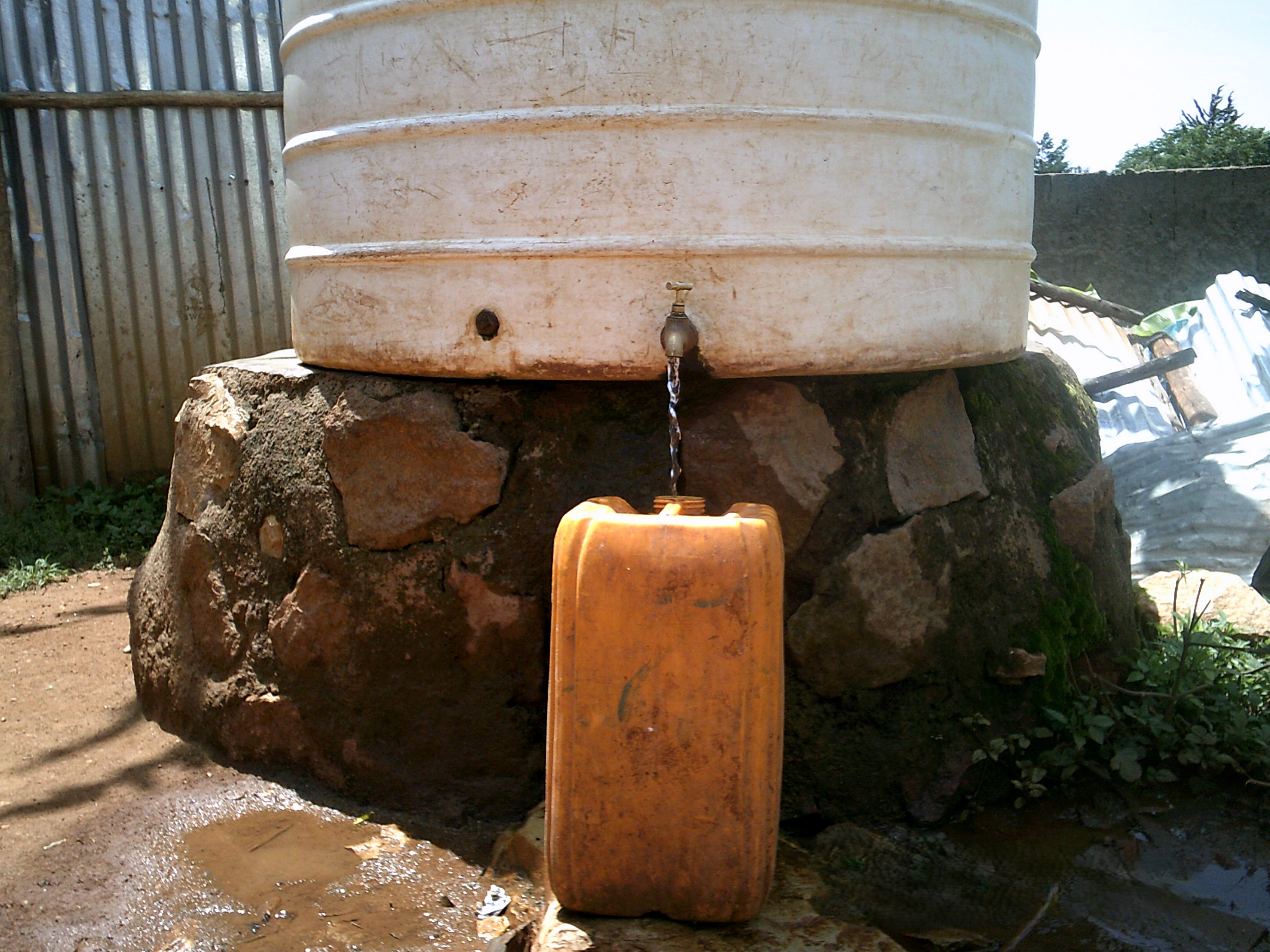
Image: Taken as part of the Ethiopia DEPA project. A female participant took this image to show ‘Women’s responsibility for fetching water, rooted in the gendered division of labour, indirectly increases their exposure to various forms of violence.’
Exhibit 2: Telling to be Retold
You will find in the Decentralisation and Data Sovereignty room.
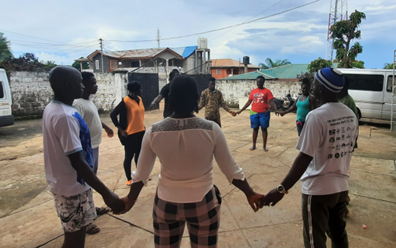
Image: A community theatre dance training session during the SALONE DEPA research work in Freetown, Sierra Leone.
Reveal
Click here to see what we thought
As you read the stories, you may have noticed that impact was experienced in different ways. In the Ethiopia project, impact was visible through strengthened partnerships, skills development and the continued use of participatory approaches beyond the life of the project. The partnership helped build local capacity that could sustain the work after the research had ended. In the Sierra Leone project, impact emerged through the recognition of women's roles as peacebuilders, the sharing of community knowledge and the creation of resources that enabled stories and learning to continue beyond the original project.
These examples illustrate how impact can emerge through partnerships, capacity building, community ownership, empowerment and sustained local action.
Together, these examples show that meaningful impact emerges through listening, collaboration and responsiveness. It is shaped not only by what researchers hope to achieve, but also by what communities and stakeholders value and experience. This is why impact is best understood as an ongoing dialogue rather than a fixed commitment established at the start of a project.