
5.4.3 Sustainable Impact
Sustainable impact is often presented as something to aspire to. Researchers are encouraged to create lasting benefits, build enduring partnerships and ensure that impact continues beyond the life of a project.
Yet sustainability raises important questions. What should continue after a project ends? Who is responsible for maintaining relationships, activities or resources? And when does sustaining impact become an additional burden for those involved?
Sustainable impact is often understood as impact that continues beyond the life of a project (Morton, 2015; Reed, 2018). However, sustainability is not simply about making everything last. It is about considering what value remains after funding ends and whether people, organisations and communities are able to continue benefiting from the research.
Sustainability may involve the ongoing use of resources, strengthened skills, continued partnerships, community ownership, policy influence or new opportunities that emerge as a result of the research. Importantly, sustaining impact should not create unfair burdens for those involved.
Use the link below to go to the Trust room in the Gallery and read: 'Just One More Request...'
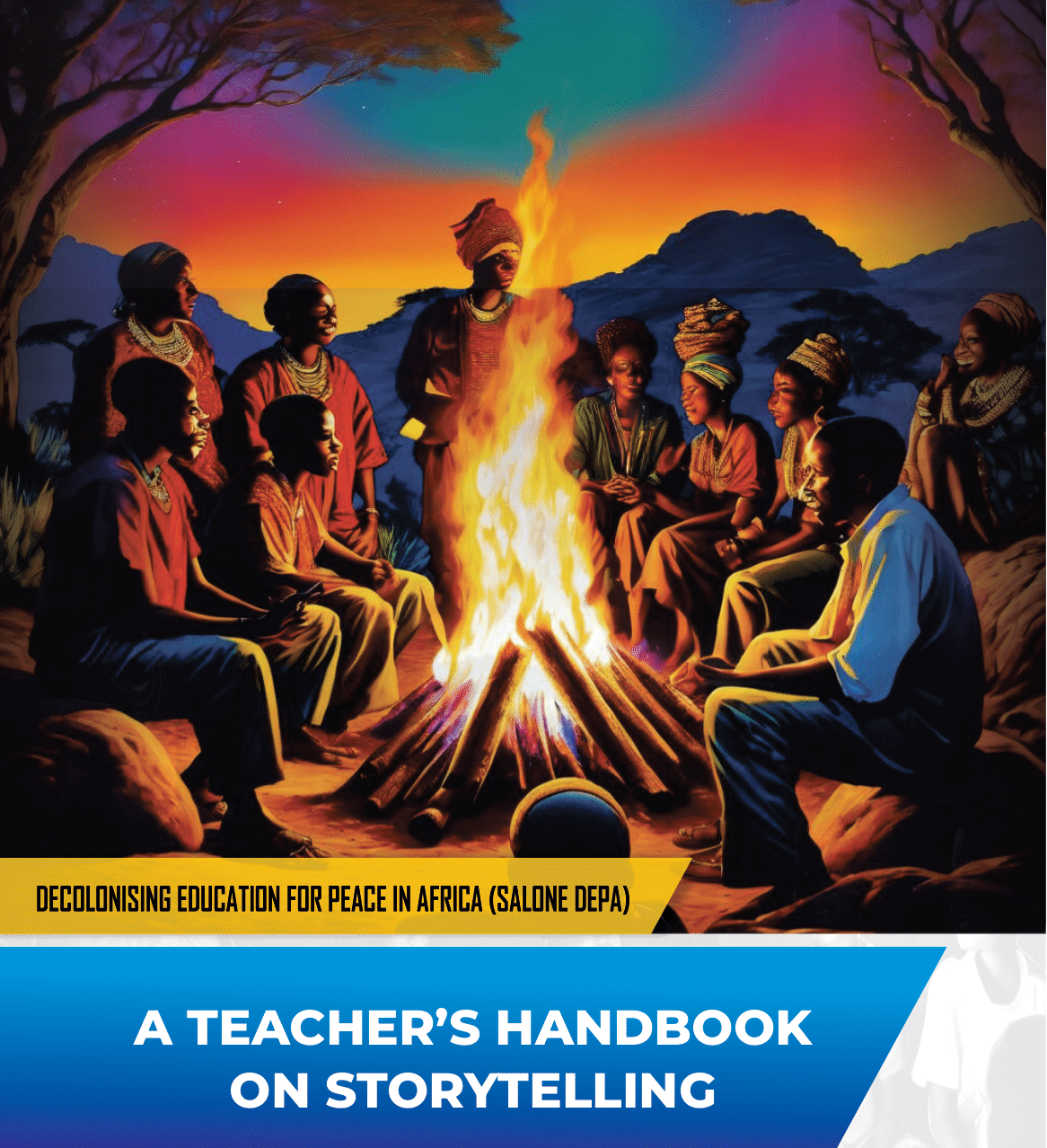
Image: cover page of the storytelling handbook co-produced by the SALONE DEPA research team with project participants.
Here, the principal investigator of the project raises a side of sustainability that is not often discussed but, which can have huge implications for how the legacy of projects endure. When projects end, requests, expectations and responsibilities can continue. What may appear to be a small additional task for one partner can represent a significant commitment of time, labour and resources for another.
Sustainability should not rely on goodwill alone, nor should it create ongoing obligations that were never planned for or adequately resourced.
Now go to the Rights Holders, Not Stakeholders room and read: 'Who Does The Follow On Funding Follow?' Use the gallery portal above to view the exhibit.
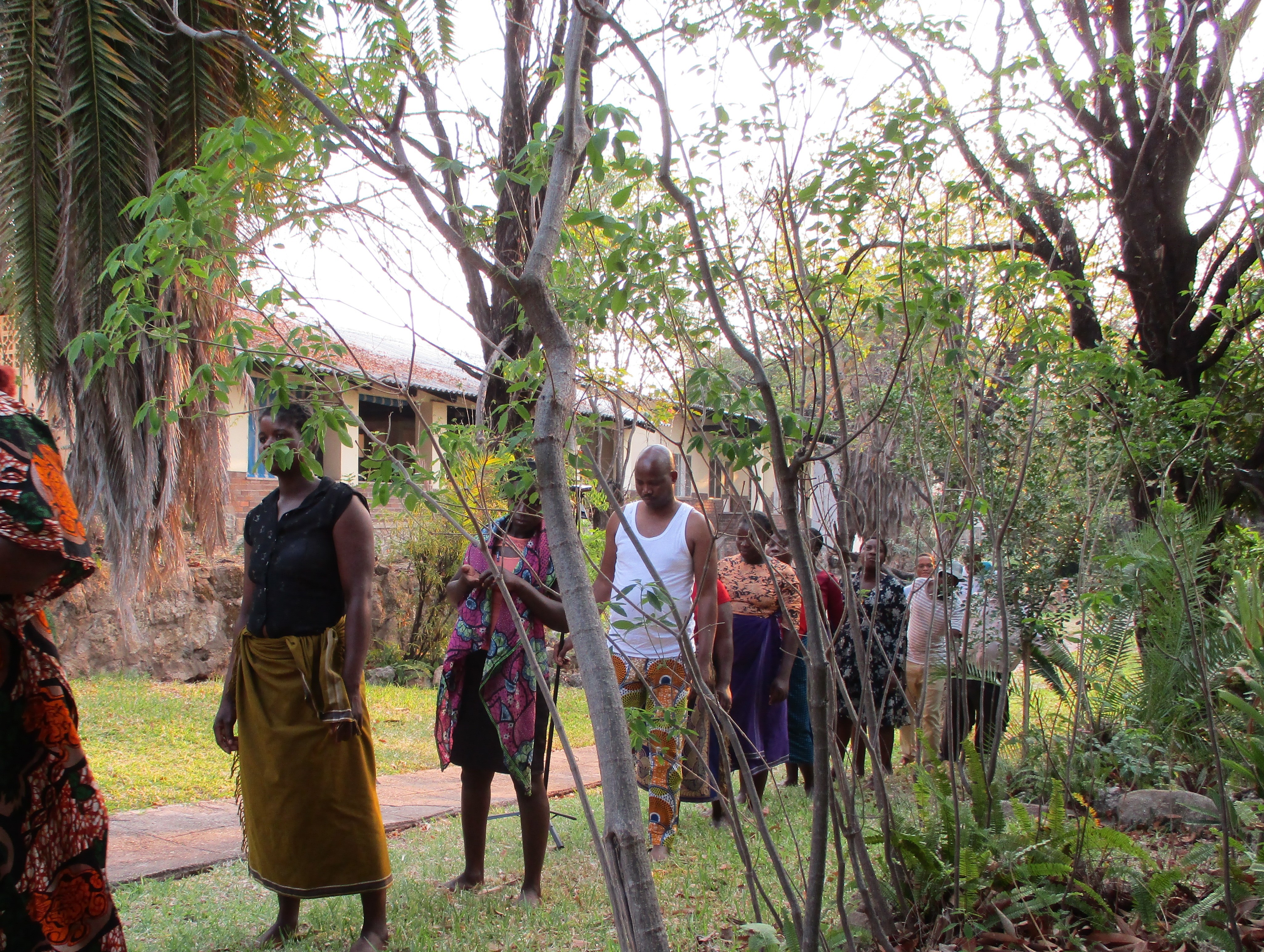
Image: The artist Volley Nchabeleng leading workshop activities with participants for the Creative Economies project.
This example presents a different perspective on sustainability. Rather than focusing on extending existing commitments, it highlights the importance of planning early for what happens after a project ends. In this case, sustainability was linked to continuing relationships, supporting community priorities and exploring new opportunities for investment and growth.
Sometimes sustainability means ensuring that knowledge, skills, resources or relationships remain useful after a project ends. Sometimes it means creating opportunities for communities, organisations or partners to build on the work independently. And sometimes it means recognising that particular activities should come to an end rather than creating unrealistic expectations about what can be sustained.
An EDIA approach encourages you to think about sustainability from the outset. Think back to section 5.3 (Shaping Research Activities) and the impact planning tool you were introduced to. When you visit this for your next project, consider not only who should be involved, who might benefit and what barriers may exist, but also what happens when the project ends. Which relationships, resources, skills or opportunities are worth sustaining? Who will maintain them? What support or investment might be needed?
As you come to the end of Unit 5, take a moment to think about what you would like people, organisations and communities to carry forward from your research once the project has come to an end. The most meaningful impacts are not always the largest or most visible. Often, they are the relationships that continue, the skills that are shared, the confidence that is built, and the opportunities that remain for others to shape their own futures. Sustainable impact is not about making everything last forever. It is about leaving behind knowledge, connections and possibilities that continue to create value long after the project itself has ended.