
2.5.4 Governance Arrangements in Practice
Governance arrangements can sometimes feel like an administrative requirement that sits alongside the research. However, when considered early, it plays an important role ensuring different perspectives are brought into a project and how accountability is maintained throughout its development.
A useful guide comes from the Council of Australian University Librarians (CAUL) Open Research Toolkit (2021), which highlights the value of clear roles and responsibilities, transparent decision-making, and visible support for participation across a project. While developed in the context of open research, these ideas also provide a helpful way of thinking about EDIA in social science research development.
If you would like to explore this topic further, the CAUL Toolkit is available as additional reading and can be accessed here:
Home - Open Research Toolkit - LibGuides at CAUL - Council of Australian University Librarians
So, you have looked at building a more diverse and inclusive team but, this is only part of the picture. The following questions can help you move beyond tokenistic involvement and consider how participation, influence, and accountability are embedded within research development.
How are contributions used?
How will advice, feedback and different forms of expertise be incorporated into the project? Governance arrangements can help ensure that contributions are considered throughout the project rather than only at specific points.
How is this made visible?
How are roles, responsibilities and routes for participation communicated within the proposal? Governance structures such as advisory groups, steering committees, community panels or co-design approaches can help demonstrate how different perspectives will contribute to the research.
You will now explore these ideas through a comparison of two of the exhibits in the PEERs gallery.
Activity: Comparing Accountability
Time: approx. 15 mins
The CAUL toolkit identifies three areas that are supportive for effective governance. After the two images (below) there is a table that lists the three areas, along with several questions these topics can prompt for governance decision-making. Read the stories in the two exhibits and then fill in the table with your thoughts.
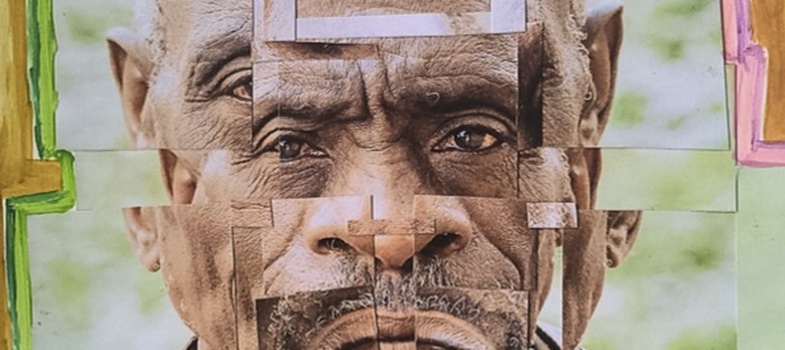
Exhibit 1: Keeping Away the Small Groups
You will find this exhibit in the Mutuality room.
Image: South African artist Volley Nchabeleng at one of his performances, playing indigenous African instruments. Volley was involved in the BEAP (Building Equitable African Partnerships) and DEPA (Decolonising Education for Peace in Africa) projects connecting research to indigenous Africa art and communities.
Exhibit 2: Allowing Research to Happen Where it is Needed
You will, also, find this exhibit in the Mutuality room.
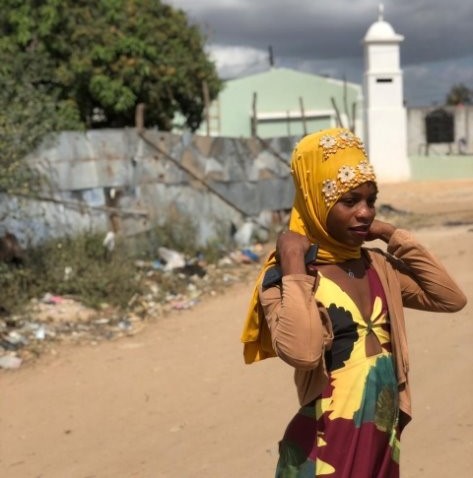
Image: A participant in the DEPA Mozambique project from the trans-community captures her sense of belonging and identity with her religion.
Use this table to help you apply an EDIA lens and compare research governance across the two situations:
| Keeping Away the Small Groups | Allowing Research to Happen Where it is Needed |
|
|
Clarity:
|
||
|
Transparency:
|
||
|
Participation:
|
Here are our thoughts:
| Keeping Away the Small Groups | Allowing Research to Happen Where it is Needed | |
| Clarity |
|
|
| Transparency |
|
|
| Participation |
|
|
You may have noticed different strengths, challenges, or governance issues within the exhibits. The key point is that governance arrangements influence how perspectives are included, how decisions are made, and whose voices can shape the direction of a project.
Governance arrangements are ultimately about accountability. They help ensure that research is not only informed by a range of perspectives, but that there are clear and transparent ways for those perspectives to contribute throughout the life of a project. The next section brings the unit to a close, providing a summary of the key concepts, learning points and takeaways explored throughout the course.
Next: 2.6 Conclusion