
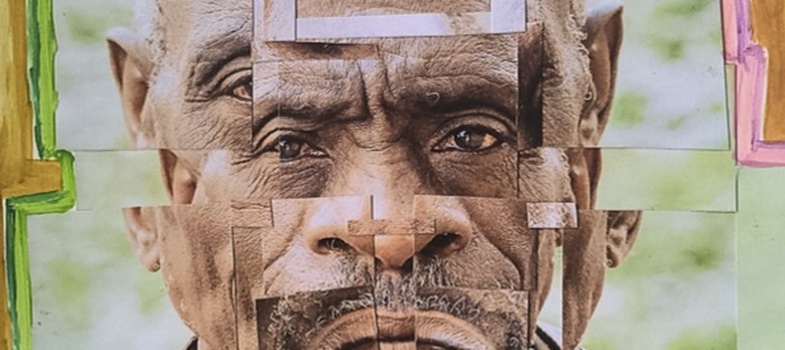
2.3.1 EDIA that is Seen and Unseen
The opportunities to consider EDIA during research development are not always obvious. Developing an awareness of both the visible and less visible places where EDIA can be incorporated can help you identify ways to strengthen your practice.
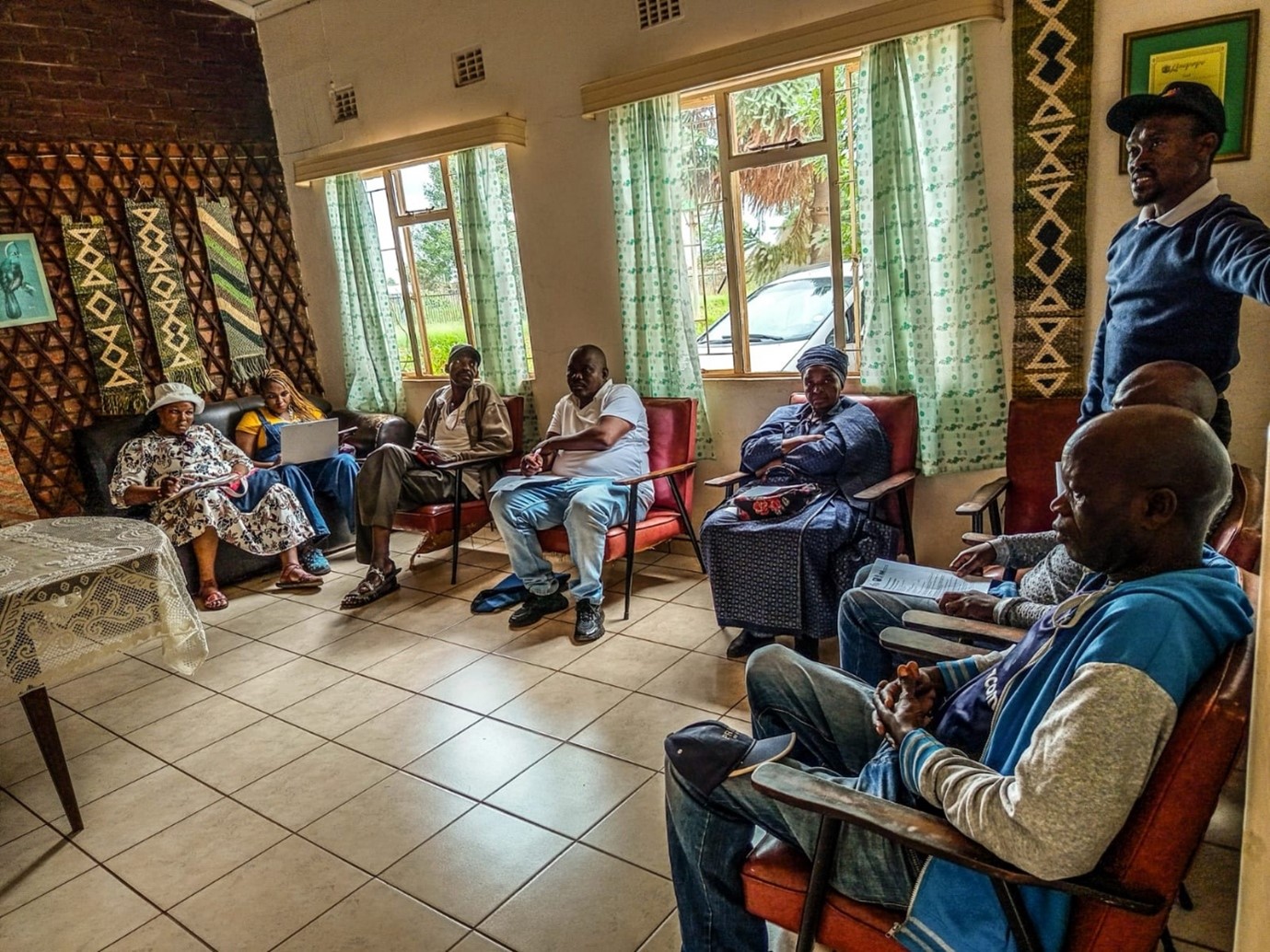
Image: Taken during a BEAP meeting with community elders in South Africa. The story behind it is told by a South African researcher on the project and they provide a poignant account of why EDIA matters during the earliest stages of research development. By challenging approaches that prioritise contracts over dialogue, community members demonstrate how meaningful inclusion and community voice can shape important decisions before a research project is fully designed. You can find the full story in the Trust room in the gallery.
EDIA in Research Development: The Invisible Work
Much of the most important EDIA work happens as the project is designed, essentially before a proposal is written. These decisions are often invisible to reviewers because they take place during idea generation, project planning and research design.
This includes decisions about:
-
How the research problem is framed;
-
Whose experiences and perspectives are considered relevant;
-
What forms of knowledge are valued;
-
Who is involved in shaping the project; and
-
How decisions are made about methods and approaches.
Although these choices may not be immediately visible in a proposal, they influence what the research can discover, whose experiences are represented, and who stands to benefit from the work.
EDIA in the Proposal: The Visible Evidence
The proposal is where reviewers, funding panels and approval bodies encounter the visible evidence of EDIA. This may include statements on EDIA, recruitment and engagement plans, accessibility arrangements, governance structures, team composition, and dissemination activities.
However, reviewers may not be assessing EDIA only through dedicated statements or proposal sections. They also look for evidence that EDIA considerations are reflected throughout the application. For example, are the research questions sensitive to issues of inequality? Have relevant perspectives informed the project design? Do the proposed methods, partnerships and engagement plans align with the communities the research seeks to understand? Strong proposals demonstrate that EDIA has influenced the overall thinking behind the research, not simply the wording of a standalone section.
Inclusive By Design
So, the invisible work happens during research development, while the visible evidence appears in the proposal. Although the two can be viewed as distinct aspects of research development, they are deeply interconnected.
You were introduced to the idea of Inclusive by Design in Section 2.2 as an idea that NIHR (2026) advocate for inclusion across all stages of research but, importantly, right from the start. We see Inclusive by Design, as conceptual way of bringing these elements together. Rather than treating EDIA as something to be added once a proposal has been developed, an Inclusive by Design approach embeds EDIA from the outset. It encourages researchers to consider EDIA during the early stages of project development, when key decisions are being made about the research problem, questions, methods and partnerships. The proposal then becomes a reflection of those decisions, making visible the thinking that shaped the project.
When EDIA informs both the development of the research and the way it is articulated within the proposal, it is more likely to strengthen the credibility, relevance and overall quality of the research. This is the difference between writing about EDIA and designing research with EDIA in mind.