
3.3.1 From Inclusion to Responsiveness
So, EDIA can strengthen research excellence by ensuring that different perspectives, experiences and forms of knowledge are represented within research. However, recognising the value of inclusion is only part of the story.
As research unfolds, things do not always go according to plan. You may encounter unexpected challenges, ethical dilemmas, concerns from participants, or changes in the wider social and political context. In these situations, research excellence is not simply about following the original research design. It is also about how you respond when new information, perspectives or circumstances emerge.
The following two examples explore situations where researchers had to adapt their approaches in response to issues that arose during a project.
Activity: Responding to the Unexpected
Time: approx. 10-15mins
Using the link under the second image (below), you will find both stories in the Situated Ethics room. This is the third door on the right as you walk up the corridor from the start point. As you read, make notes on the following questions:
-
What challenges were the researchers facing?
-
How did the researchers respond?
-
What might have happened if they had continued with their original plans?
-
What do the two examples have in common?
Exhibit 1: Suspicious Looking Paperwork
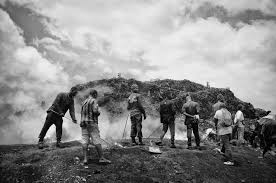
Image: This photograph of waste pickers on a municipal disposal site in Accra (Ghana) was chosen by the DEPA PhD researcher to represent his experience and story of doing research in one of slum dwellings in the city.
Exhibit 2: Reframing The Research Outputs

Image: A transwomen participating in the DEPA Mozambique project using photography to show barriers to access of sexual health services as a trans-person.
Reveal
Click here to see what we thought
Rather than looking at each example in detail, we want to focus on the final question. Although the two stories take place at different stages of the research process, they share something important. In both cases, the researcher reconsidered their original plans in response to the experiences, concerns or needs of the people involved.
This highlights an important idea: responsiveness.
In research, responsiveness is the ability to recognise when existing plans, methods or outputs may no longer be appropriate and to adapt accordingly. It involves listening to participants, communities and research partners, recognising changing circumstances, and responding in ways that support inclusion, accessibility, trust and wellbeing.
The two examples show what this can look like in practice. In the first, the researcher adapted their approach after recognising that formal ethical procedures were creating barriers to trust and participation. In the second, researchers reconsidered their intended outputs when concerns emerged about the potential risks to participants and communities.
These examples are a reminder that EDIA is not something to be considered once and then set aside. As projects develop, new information, perspectives and challenges emerge. Researchers are often required to reflect, adapt and respond to what they learn.
Research excellence is therefore not only about following a well-designed plan. It is also about recognising when you might need to change your plan. An EDIA lens can help you remain responsive throughout the research process, supporting research that continues to be relevant, inclusive and meaningful as circumstances evolve.
So, what does this look like in practice? The remainder of the unit will now explore the three stages of the research process, starting with the design of research activities.