|
My OpenLearn Create Profile
- Personalise your OpenLearn profile
- Save Your favourite content
- Get recognition for your learning
Already Registered?
Page path
Course content
View course content
- ExpandGeneral
- Expand1.1 The One Health approach
- Main learning objectives and outcomes 1.1View
- What is One Health?View
- The European approach to One HealthView
- Aquaculture: Facts & Figures and How One Health Can Improve Aquaculture PracticesView
- Challenges for One Health implementation in the aquaculture sectorView
- Examples of One Health implementation in productionView
- Additional Content: Wicked ProblemsView
- Summary 1.1View
- References and Further Reading 1.1View
- Download: One Health Approach SlidesView
- Main learning objectives and outcomes 1.1
- Expand1.2 Main sector-specific ecological and sustainability aspects
- Main learning objectives and outcomes 1.2View
- Sustainability and Environmental ImpactsView
- Aspects of Sustainability in Fishing and AquacultureViewMake entries: 1
- Sustainability in marine and freshwater ecosystemsView
- Life Cycle Assessment (LCA)View
- 1. Goal and ScopeView
- 2. Life Cycle InventoryView
- 3. Life Cycle Impact AssessmentView
- 4. Life Cycle InterpretationView
- Further Information on LCAView
- Additional Content: LCA programsView
- Summary 1.2View
- References 1.2View
- Download: 1.2 Main sector-specific ecological and sustainability aspectsView
- Main learning objectives and outcomes 1.2
- Expand1.3 Integration of sustainability in aquaculture
- Main learning objectives and outcomes 1.3View
- IMTA - Integrated Multitrophic AquacultureView
- Typical IMTA Set-upView
- Examples of Extractive SpeciesView
- Key benefits of IMTAView
- Challenges of IMTAView
- Pilot Case Studies of IMTA in Europe: Saaremaa, EstoniaView
- Pilot Case Studies of IMTA in Europe: Kefalonia, GreeceView
- Pilot Case Studies of IMTA in Europe: Gulf of Tigullio, Genova, ItalyView
- Other forms of algae cultivationView
- Cultivation of macroalgae in earthen pondsView
- Cultivation of macroalgae in estuarine areas: Cadiz, SpainView
- Algae cultivation in wastewater: Port of Limassol, CyprusView
- On-land cultivation of macroalgae in recirculated systems: Bremerhaven, GermanyView
- (Low-cost) Microalgae cultivation: Cork, IrelandView
- Summary 1.3View
- References 1.3View
- Download: 1.3 Integration of sustainability in aquacultureView
- Main learning objectives and outcomes 1.3
- ExpandQuiz
About this course
- 5 hours study
- 3Level 3: Advanced
- Course description
Course rewards
Free Statement of Participation on completion of these courses.
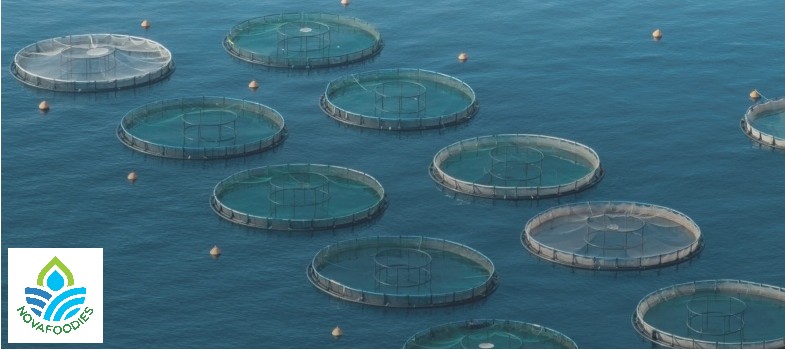
Sustainable Food Value Chains of Aquatic Resources (1/4)
If you create an account, you can set up a personal learning profile on the site.
For further information, take a look at our frequently asked questions which may give you the support you need.
If you have any concerns about anything on this site please get in contact with us here.