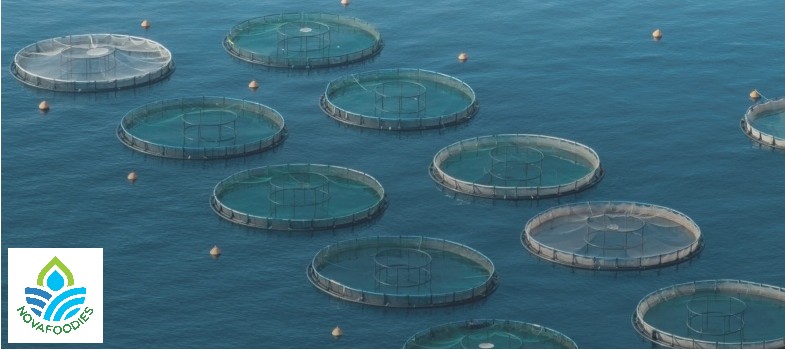
Algae cultivation in wastewater: Port of Limassol, Cyprus
Algae play a crucial role in bioremediation and waste valorization by recovering valuable nutrients from wastewater that would otherwise be lost. This process not only helps clean the water but also promotes circularity, transforming waste into a useful resource. By integrating algae into wastewater treatment systems, industries can reduce environmental pollution while simultaneously generating biomass for further applications.
The versatility of algae allows them to thrive in various wastewater streams across multiple industries, thanks to their ability to grow in diverse waste substrates. The resulting biomass can be utilized in a wide range of non-food applications, including nutraceuticals, pharmaceuticals, and, most promisingly, biofuel production. This adaptability makes algae a valuable asset in sustainable industrial processes.
However, the effectiveness of algae-based bioremediation depends on many influencing factors. These include nutrient load, the specific algae species used, the presence of microorganisms, potential contaminants, and local weather and environmental conditions. Understanding and optimizing these variables is essential for maximizing the benefits of algae in waste valorization and bioremediation.
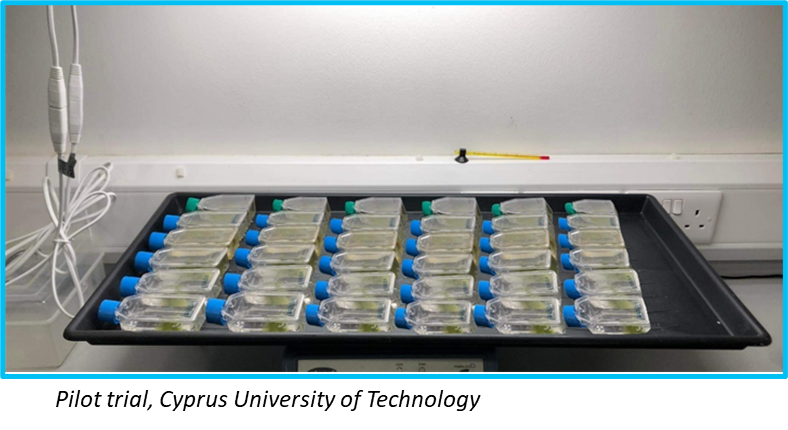 A photo of six rows of small bottles, laying on their side, containing algae, used in a pilot training