3. Life Cycle Impact Assessment
The objective of the third phase is to evaluate the potential environmental impacts of the inputs and outputs identified in the Life Cycle Inventory (LCI). This involves selecting relevant impact categories such as global warming potential and acidification. Key elements of this phase include classification, where LCI results are assigned to specific impact categories, and characterization, which quantifies the contribution of each input and output to these impact categories. Optional steps like normalization and weighting can be employed to compare results to a reference value and assign importance to different impacts, providing a more nuanced understanding of the environmental footprint.
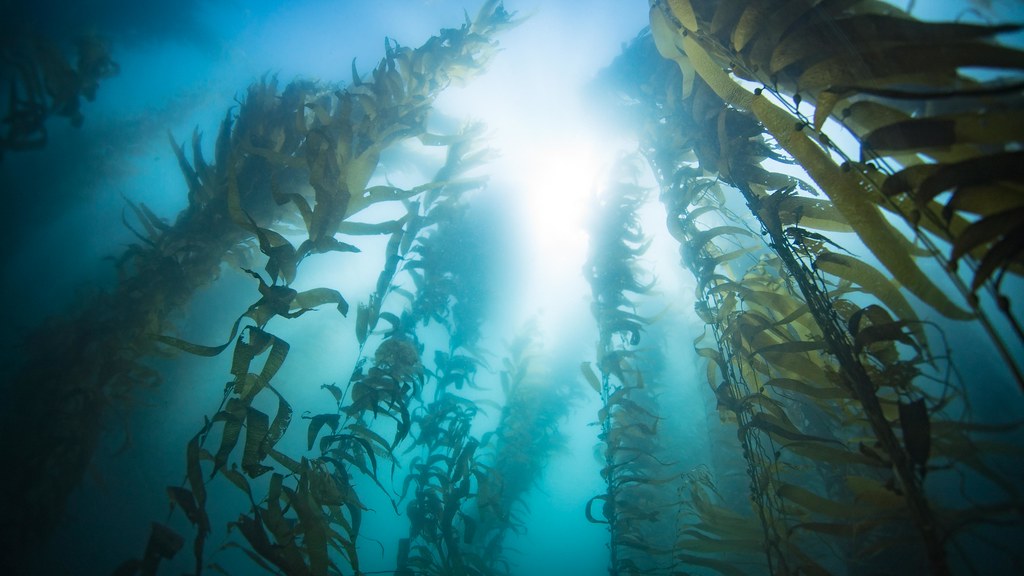
For example, when evaluating the environmental impacts of kelp production, impact categories such as global warming potential, eutrophication, and resource depletion are considered. In the classification step, LCI results are assigned to these impact categories, such as CO₂ emissions being linked to global warming potential. During characterization, the contributions of various factors are quantified, for instance, fuel use for boats contributing to CO₂ emissions. Normalization and weighting can be used to compare these results to a reference value and assign importance to different impacts, thereby offering a comprehensive assessment of the environmental effects of kelp production.
 https://live.staticflickr.com/4807/46267906622_6df21cd741_b.jpg