
 article icon
Science, Maths & Technology
Laser surface treatment
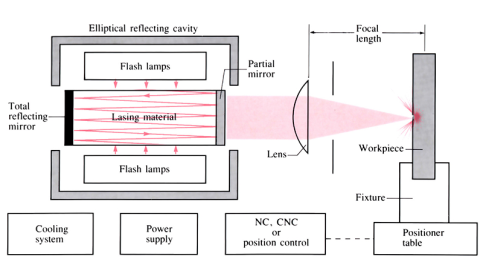
A surface treatment used to harden or clad surfaces of ferrous metals. For hardening, a laser beam with a high power density heats a small area on the surface of the workpiece, causing changes to the atoms in the lattice of the material (austenite). As the beam moves away, to another spot on the surface, the heated area is rapidly cooled by the ...
 article icon
Science, Maths & Technology
Thermal spraying (Hardfacing)
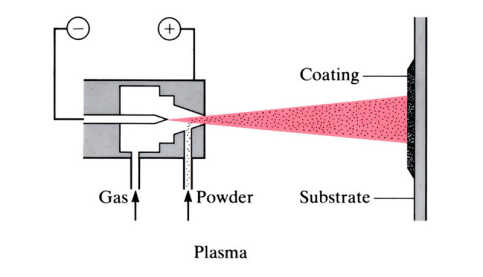
The surface to be coated is cleaned and roughened, to provide adhesion of molten particles in the coating material when it’s sprayed onto the workpiece. The coating material is melted using thermal, electrical or thermochemical means. Molten materials (metals, alloys or ceramics) are sprayed onto a substrate material (the component) where they ...
 article icon
Science, Maths & Technology
Physical vapour deposition (PVD)
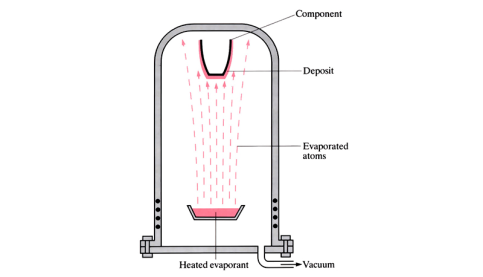
Evaporated atoms from the coating material are transported, in the form of a pressurised vapour under vacuum, to the workpiece to be coated. Vapour is deposited onto the surface of the workpiece, where it condenses forming very thin layers of coating at nanometre thickness. Multilayer coatings can be built up.
 article icon
Science, Maths & Technology
Toyota diffusion (TD)
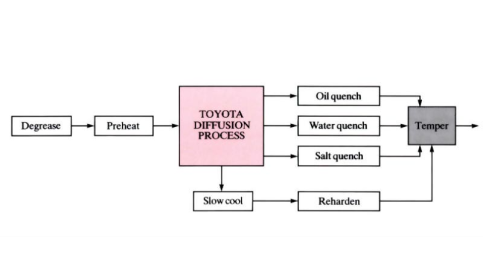
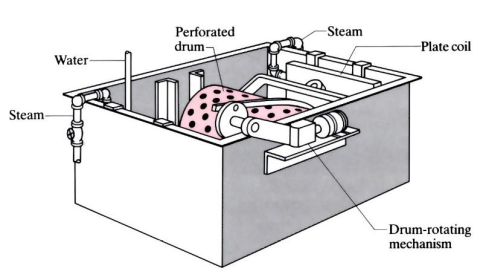
Elements such as vanadium, niobium and chromium, are diffused into a ferrous metal component, via a chemical reaction that takes place in a high temperature salt bath with a borax mix. After quenching and tempering, a very hard carbide layer remains on the surface of the component. This surface coating is often applied to extend the life of ...
 article icon
Science, Maths & Technology
Phosphating (non-electrolytic coatings)
Often used on ferrous metals to provide a protective, corrosion-resistant phosphate film prior to painting. The phosphate coating, created via a precipitation reaction, adheres well to the base metal, also offering good surface adhesion for paint or powder coating.
 article icon
Science, Maths & Technology
Anodising
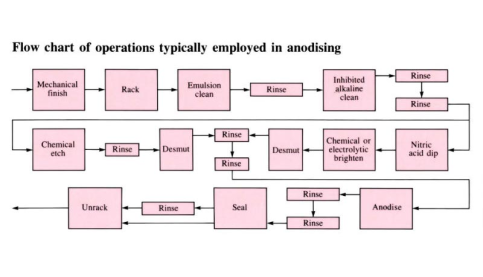
An electrochemical process causes a layer of anodic oxide to form on the surface of a non-ferrous base metal, such as aluminium. Oxide provides protection from corrosion and wear, as well as a good surface finish for painting. Also used for decorative effect.
 article icon
Science, Maths & Technology
Electroless plating
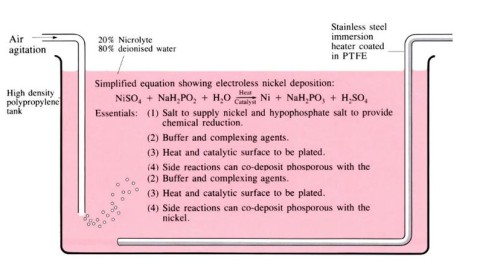
Metal ions within a chemical solution, using an autocatalytic reaction, deposit a uniform layer onto the surface of prepared (cleaned and etched) material to be coated. The process is purely by chemical reduction and no electrical current is necessary.
 article icon
Science, Maths & Technology
Chemical vapour deposition (CVD)
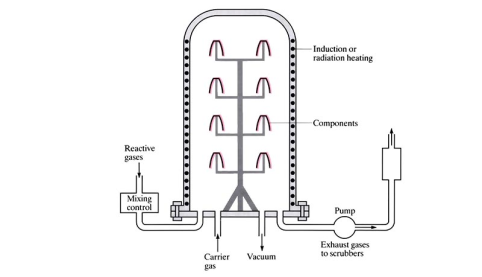
Reactive gases are fed into a heated chamber containing the component(s) to be coated. At elevated temperature, various gaseous phases chemically react with the heated surfaces of the component(s), and a solid, corrosion resistant coating is deposited onto those surfaces.
 article icon
Digital & Computing
From Zero Day to Doomsday – Public Lecture
We are delighted to invite you to From Zero Day to Doomsday, a lecture by Mike Richards on the WannaCry ransomware cyber-attack, which had serious implications last year for the NHS and businesses around the world.
 article icon
Science, Maths & Technology
Selective laser melting (SLM)
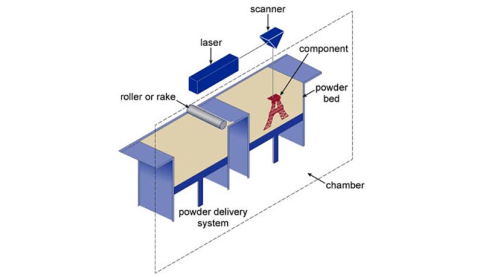
Heat is generated using a focused heat source, normally a laser, sufficient to melt a thin layer of powder applied to the surface of a substrate. Material is added layer by layer by lowering the build by a small amount and spreading a thin layer of powder over the surface. To create the desired geometry, the heat source is traversed over the ...
 article icon
Science, Maths & Technology
Fused deposition modelling (FDM)
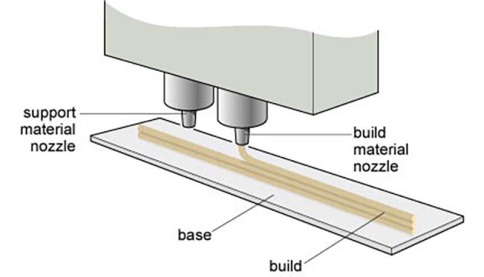
Thermoplastics are heated to above their glass transition temperature and extruded onto a substrate to produce a raised track or filament. The desired geometry is created by manipulating the extrusion nozzle using a computer-controlled positioning system. Three-dimensional structures can be formed by adding material onto previously deposited ...
 article icon
Science, Maths & Technology
Direct metal deposition (DMD)
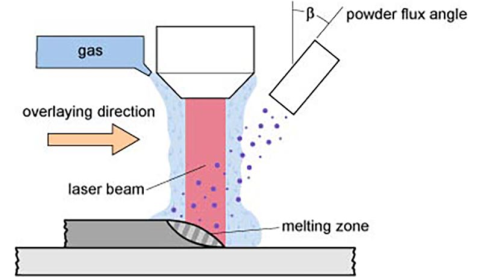
Heat is generated using a focused heat source of various kinds, sufficient to melt the surface of the substrate and form a small melt pool. Material is added to the melt pool using a focused powder stream or a wire feed system to form a raised portion of material. To create the desired geometry, the substrate is manipulated using a ...