Key Terminology
Throughout this course we will be using some terminology that you may or may not be familiar with. Below are some brief descriptions of this terminology, please feel free to refer back to these as you complete the course.
What is Disability?
Disability is defined by the Equality Act (2010) as: 'a physical or mental health condition or illness that has lasted or expected to last 12 months or more', and 'whether the condition and/or illness reduces their ability to carry out day-to-day activities'.
In 2021/22 it was estimated that 16 million people in the UK were disabled, including 11% of UK children (Department for Work and Pensions; DfWP, 2023).
This definition is based on the historically dominant Medical Model.
This states that difficulties come from individual physical, sensory or intellectual impairments. Here the focus is on "what's wrong" with an individual and how they could be fixed. As such, the individual is disabled by their body, by their impairment.
Social and Affirmative Models of Disability
The Social Model of disability arose in the UK in the 1970s and 1980s by disabled activists.
This model holds that disability is not caused by an individual’s impairment but by societal barriers such as inaccessible buildings, discriminatory attitudes and systems.
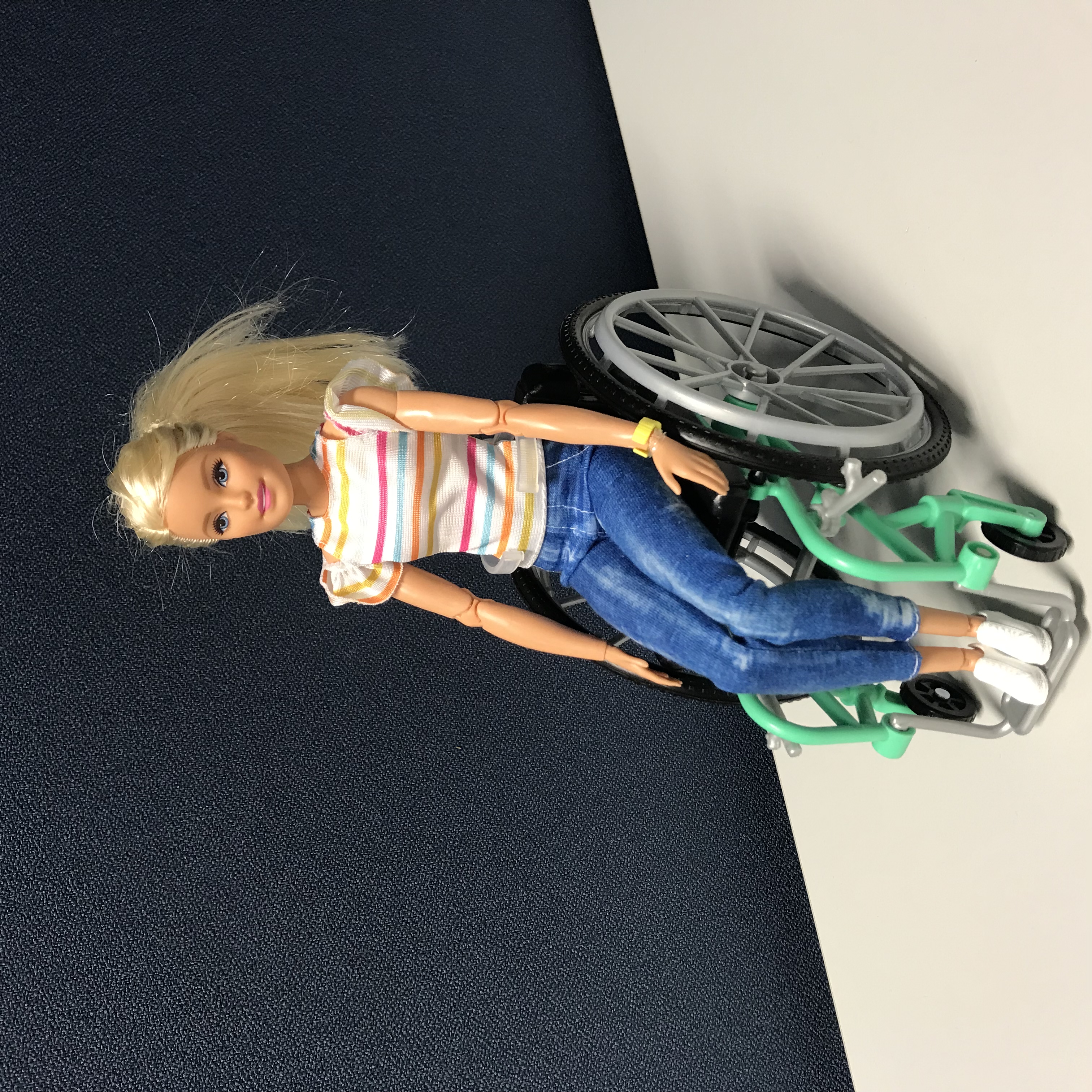
For example, A wheelchair user is not disabled by their impairment, but by the lack of ramps, lifts, or inclusive design that prevents access.
The model shifts the focus from “fixing” the individual to changing society to remove barriers.
Alongside this, Affirmative Models, take a human rights approach to disability. These models actively challenge the deficit or tragedy
assumptions often held by non-disabled people. They aspire to a society which values disabled people as valued citizens and celebrates difference.
Affirmative models campaign for positive collective identity alongside societal and environmental changes.
Positive Disability Representation
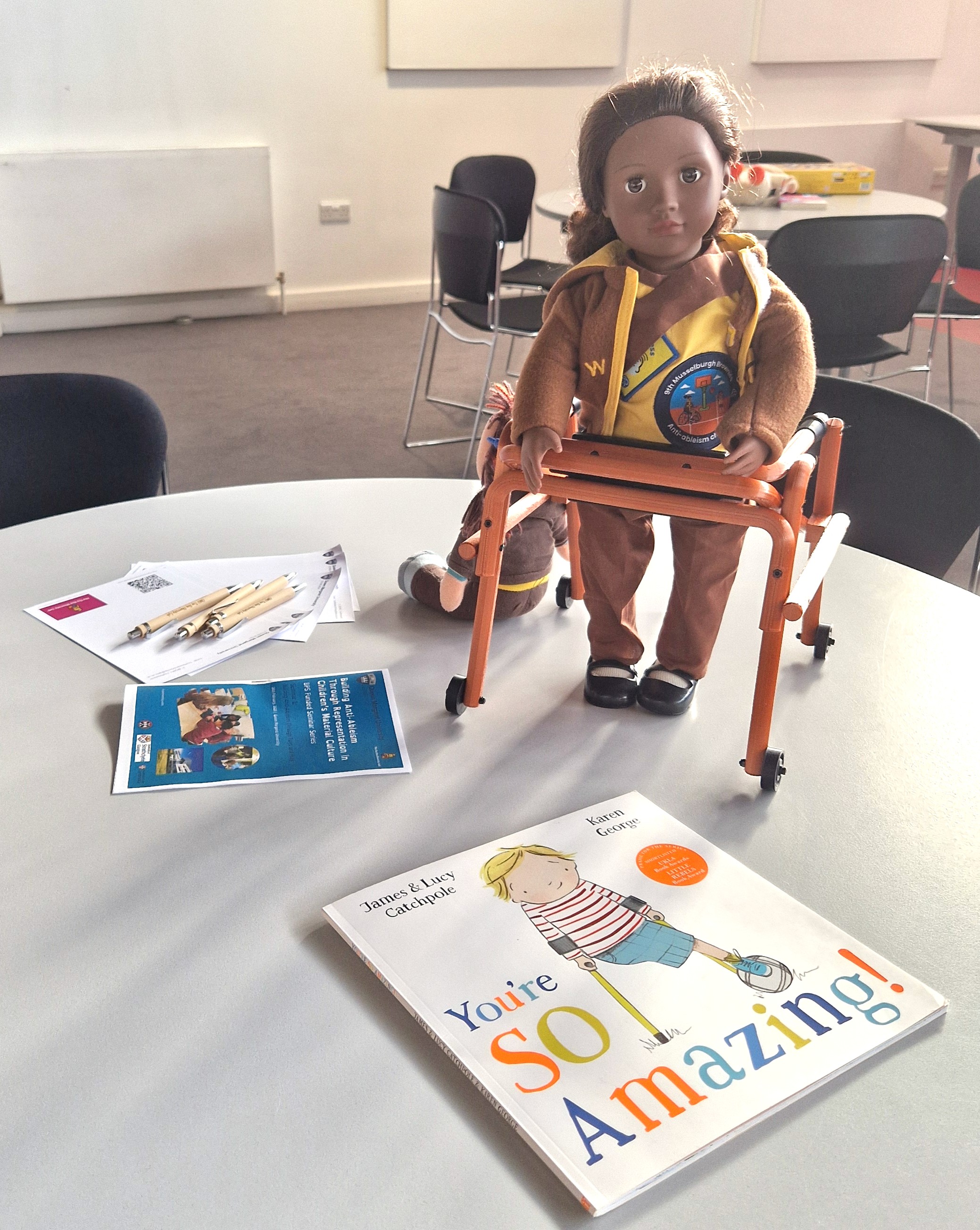
Positive representation of disability involves showing disabled people in ways that are accurate, respectful, and empowering. It avoids stereotypes of pity or “inspiration” and instead recognises disability as a natural and valuable part of human diversity. Positive representation ensures that disabled characters and figures are visible, included, and represented as integral members of organisations and the wider community.
This can be embedded across all types of workplaces. For example, internal training materials, presentations, policies, and case studies can include disabled professionals, clients, customers, or community members in meaningful ways, Promotional materials and communications can feature disabled staff and service users authentically, rather than as tokenistic additions. Representation should reflect real experiences and contributions, not just symbolic inclusion.
It is also important to reflect on workplace narratives and practices. Are disabled people discussed only in relation to barriers, diagnosis, or “overcoming adversity”? Or are they represented as leaders, decision-makers, experts, colleagues, and partners? Ensuring that disability is visible across departments and roles, not confined to HR, wellbeing initiatives, or accessibility discussions, helps to normalise disability as part of everyday life.
In this way, positive representation becomes part of building a genuinely inclusive culture, rather than a standalone diversity initiative.
Anti-Ableism
Ableism is when society judges people’s value based on narrow ideas of what is “normal,” “healthy,” or “productive.” These ideas come from histories of racism, sexism, colonialism, and other systems of oppression.
Ableism is evident when people are treated as less worthy because of the way in which their bodies and abilities are judged. Often this is as much through omission as much as active discrimination.
When we commit to being anti-ableist, we are committing to actively seeking out, challenging and replacing these values and actions. It is not only about removing barriers but also about affirming disability as a valued and important part of human diversity.
This is not just about increasing accessibility and reducing prejudice. It involves developing a culture of collaboration and co-leadership with disability communities and with disabled colleagues.
This relies on addressing structural inequalities and setting disability next to other equalities issues within the workplace.