Activity: Take it Further
Reminder: this content is not mandatory for completing the module but is designed to further your learning.
Read the PDF attached: Jones, S.E. (2024) 'Raising awareness isn't enough: The role of the psychology of education in disability-related justice and inclusion in primary classrooms', Psychology of Education Review. https://eresearch.qmu.ac.uk/handle/20.500.12289/13653 (available on the next page) and consider the critical reflection questions below.
Audio version with closed captions available here: https://youtu.be/PkLYCfaytkU?si=1MK17HqpMXkGKlkw.
-
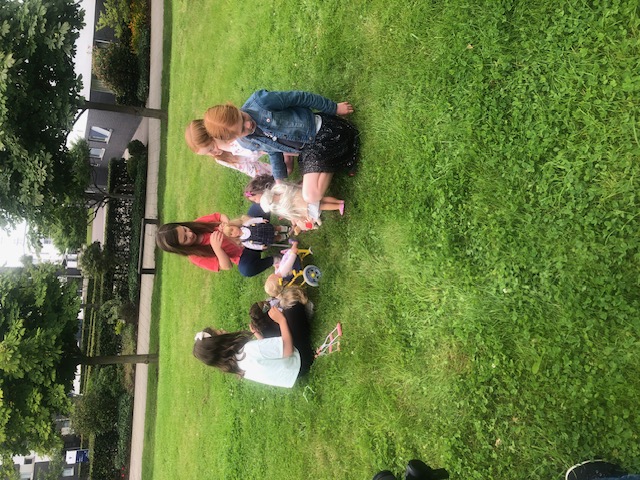
The Impact of Disability Representation in Education Materials:
How might the lack of representation of disabled individuals in educational materials and classroom environments affect the experiences of both disabled and non-disabled students?
-
Perceptions and Attitudes Towards Disability:
How do societal perceptions and attitudes towards disability influence the experiences of disabled individuals within educational settings?
-
Intersectionality and Disability Justice:
How do intersecting identities, such as race, gender, and socio-economic status, intersect with disability to shape educational experiences and outcomes?