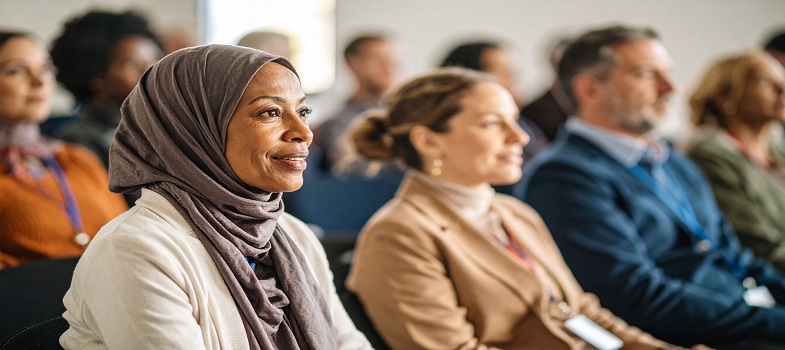
Setting up a community group or migrant association
Community groups, including migrant associations, play an important role in helping migrants settle and feel included. They often speak up for migrant communities and share their concerns with local or national authorities.
Trusted community organisations can also help bring migrants and local communities together—for example, by holding events that encourage cultural exchange or by reaching out to groups who are often left out of conversations, making sure different voices are heard when decisions are made.
In diverse cities like Birmingham, there may already be a strong network of community groups that have long supported people from different backgrounds. For newer arrivals—like Ukrainians and Afghani citizens who came through resettlement programmes, or people from Hong Kong arriving on humanitarian visas—there may be fewer community associations and support opportunities.
Helping migrants self-organise
When migrants come together and form their own groups or associations, it can help them have a stronger voice and more say in decisions that affect their lives—like getting access to services or support.
Sometimes, local councils may offer small grants or help to set up these groups. But this kind of support isn’t always available, especially when money is tight and many other groups are already competing for funding.
It’s important that all types of migrants are included and represented—especially those who may face additional challenges, such as LGBTQ+ community, women, disabled people, older migrants, and others.
Joining forces to solve common problems can be empowering. For example, migrant business owners who find mainstream business support services inaccessible may form their own peer-to-peer support group and work together to push for better services.