Biorefinery processes – Benefits and Challenges
Seaweed biorefineries offer significant environmental and practical advantages.
- The cultivation of seaweed itself contributes to a lower environmental impact by sequestering CO₂ and reducing atmospheric carbon levels.
- Unlike traditional crops, seaweed grows rapidly and does not compete for fertile or arable land, making it a sustainable resource.
- Additionally, seaweed can be processed to extract a wide variety of chemical building blocks, including fats, carbohydrates, and proteins, which are valuable for multiple industries.
- It also plays a role in wastewater treatment, particularly for non-food applications, further enhancing its ecological benefits.
Despite their potential, biorefineries face several challenges.
- Energy consumption remains a major hurdle, as processes like drying, fermentation, and hydrolysis require significant electricity, driving up production costs.
- The technology is also highly complex, requiring advanced infrastructure and expertise.
- Market competition with fossil fuels adds another layer of difficulty, as established industries often outpace emerging biorefinery solutions.
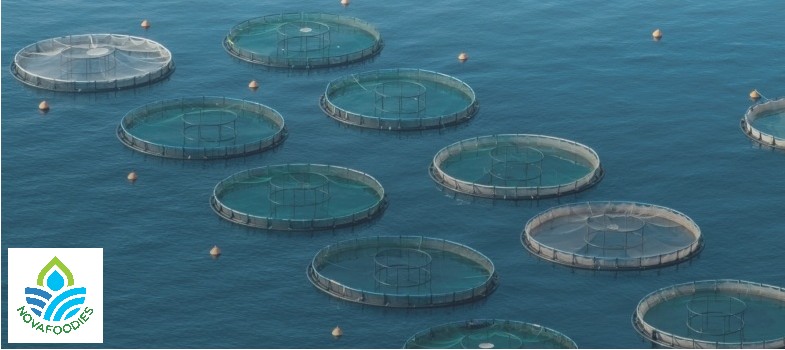
- Seaweed farms, while promising, still rely on fossil fuels for maintenance and harvest, and offshore farms struggle with high maintenance costs and demanding working conditions, such as exposure to waves and currents.
While biorefineries hold great promise for the future, they continue to face issues related to technical feasibility and economic viability. Increased research and development are essential to overcome these barriers and optimize processes for scalability. For a deeper understanding of biorefinery products and the potential value of third-generation biorefineries, further insights can be found in studies such as the one by Pantis et al. (2024). This research critically reviews examples of biorefinery products, their strengths, weaknesses, and potential applications, offering a comprehensive perspective on their implementation.
Example: Bioethanol from Seaweed
One potential biorefinery product is bioethanol, which presents several strengths, including a higher biomass yield compared to terrestrial crops and a simpler treatment process due to the absence of lignin and cellulose, making hydrolysis easier. The carbohydrate content of algae also allows for ethanol fermentation, resulting in lower carbon emissions than traditional sources like corn or molasses. Additionally, seaweed cultivation can improve marine environments by removing CO₂, heavy metals, and pollutants. However, challenges remain, such as the lack of large-scale data and the energy-intensive nature of enzyme production. While bioethanol from seaweed could be integrated into fish farming, risks include coastal overexploitation and competition with other coastal activities, highlighting the need for careful planning and sustainable practices.