Economic benefits
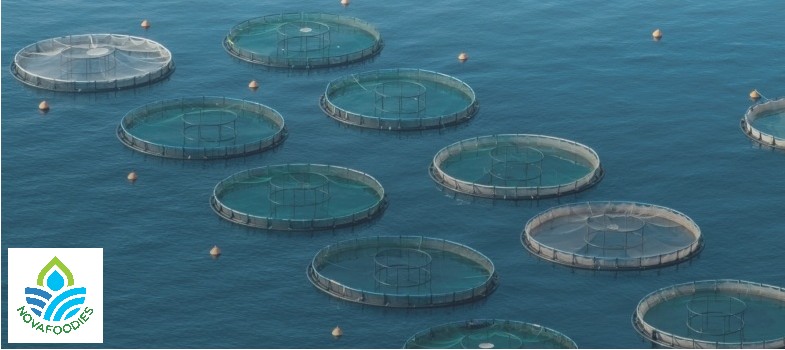
Algae offer versatile and practical applications in both human and animal consumption, seamlessly integrating into products like fish feed as prebiotics or novel human foods, such as plant-based meats, supplements, and functional ingredients. Their cost-efficient production, particularly for macroalgae, combined with a rapidly growing market demand, makes them an economically attractive option. Algae can be easily incorporated into integrated multi-trophic aquaculture (IMTA) systems, such as fish farms, where they contribute to sustainable feed production while reducing reliance on volatile global supply chains. Additionally, algae serve as a local and sustainable alternative to traditional protein sources, enhancing food security and reducing environmental impact. Beyond their nutritional value, algae provide new antioxidants and antimicrobials, improving food safety and extending shelf life as natural additives. Their low land and freshwater requirements further reduce production costs, while their potential for high-value byproducts, such as biofertilizers and bioplastics, creates additional revenue streams, making algae a highly scalable and economically viable resource for diverse industries.