Food safety and the food system
Food safety plays a pivotal role in human, animal, and environmental health, with consequences that ripple across public health, ecosystems, and agricultural systems. For human health, unsafe food can lead to foodborne illnesses, malnutrition, and exposure to harmful residues like pesticides or antibiotics. Animal health is equally at risk, as diseases, pathogens, and parasites — often exacerbated by poor farming practices — can spread rapidly within and between species, sometimes crossing borders as transboundary diseases. Meanwhile, environmental health suffers from contamination, the spread of invasive species, and the disruption of natural habitats, all of which can be traced back to unsafe or unsustainable food production practices.
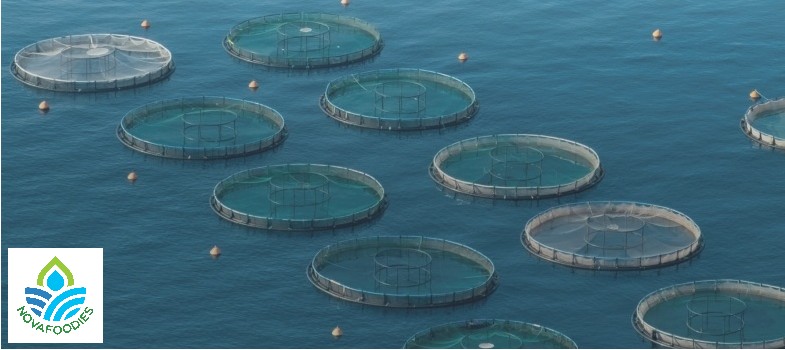
The food production supply chain is a critical pathway for both risks and solutions in the context of One Health. Along this chain, the spread of pathogens and parasites — often due to inadequate hygiene — poses a persistent threat, while biofilm formation on machinery and biofouling in aquaculture systems can further amplify contamination risks. Pollution from food production, including atmospheric emissions, oil spills, illegal discharges, and microplastics, degrades ecosystems and introduces toxins into food chains. Additionally, underwater noise pollution and poor animal welfare practices can stress aquatic species, increasing their susceptibility to disease. The transmission of zoonoses — diseases that jump from animals to humans — and the unintentional spread of invasive aquatic species highlight the interconnected nature of these challenges, where food safety directly impacts both human and ecological well-being.
The end products of food production carry their own set of risks, influencing health outcomes across species and environments. Malnutrition and foodborne diseases affect humans, animals, and even plants, while transferred hormones, toxins, and chemical residues can accumulate in food chains, leading to long-term health issues. Biological and chemical contamination doesn’t stop at the plate; it extends into the environment, where pollutants can persist for years, altering ecosystems and threatening biodiversity. Addressing these issues requires a holistic approach — one that recognizes the intricate links between food safety, animal welfare, and environmental stewardship, ensuring that the food we produce nourishes rather than harms.