Conventional solutions and practices
To meet the growing global demand for food and protein, conventional agriculture and aquaculture have long prioritized higher yields and efficiency, often at the expense of the environment. This approach relies on faster growth rates and reduced losses — achieved through the excessive use of antibiotics, pesticides, concentrated feed, and chemicals — to maximize output. However, these practices create a cascade of ecological problems, including antimicrobial resistance (AMR), nutrient runoff leading to eutrophication, and the introduction of harmful chemicals into natural ecosystems. Intensive farming systems, particularly in aquaculture, frequently employ prophylactic antibiotics and growth-promoting additives, which not only pollute water bodies but also disrupt local biodiversity. The result is a short-term gain in productivity paired with long-term environmental degradation, as waste, wastewater, and chemical residues accumulate in soils and waterways, threatening both human health and ecosystem stability.
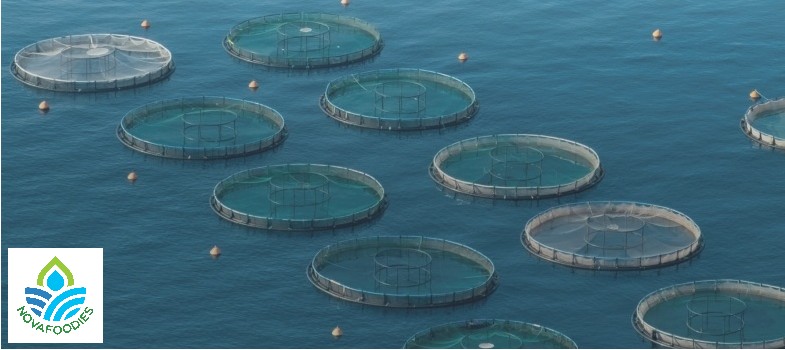
The intensification of aquaculture has inadvertently created conditions that foster disease outbreaks and biofouling, prompting even greater reliance on antimicrobial treatments — both as preventative measures and growth promoters. Antibiotics are often administered through coated feeds, water immersion, or injections, but their overuse carries severe public health risks, including the development of drug-resistant pathogens, allergic reactions, and disruption of gut microbiomes. Studies, such as those by Okocha et al. (2018), highlight additional dangers like carcinogenicity, mutagenicity, and bone marrow suppression from residual antimicrobials in seafood. Meanwhile, the discharge of nutrients and chemicals from these systems contributes to eutrophication, where oxygen depletion in water bodies leads to mass die-offs of aquatic life. Without stricter regulations and a shift toward sustainable alternatives, these conventional practices will continue to undermine both environmental health and the long-term viability of food production.