
Standards, Recommendations, and Technologies
The Regulation (EC) No 1224/2009 and its Implementing Regulation (EU) No 404/2011 establish the legal framework for traceability in the EU’s fishery and aquaculture sectors, mandating that traceability information be recorded and communicated using codes, barcodes, electronic chips, or marking systems.
These regulations emphasize the importance of aligning with internationally recognized standards to ensure consistency and reliability. GS1 offers tailored traceability guidelines for the seafood industry, designed to complement EU regulations and assist operators in implementing effective traceability systems. Additionally, ISO 22005:2007 and ISO 12875:2011 provide comprehensive guidelines for traceability implementation, with ISO 12875 specifically addressing the recording of information in captured finfish distribution. Together, these standards and regulations foster product safety, quality, and sustainability throughout the supply chain, from production to the end consumer.
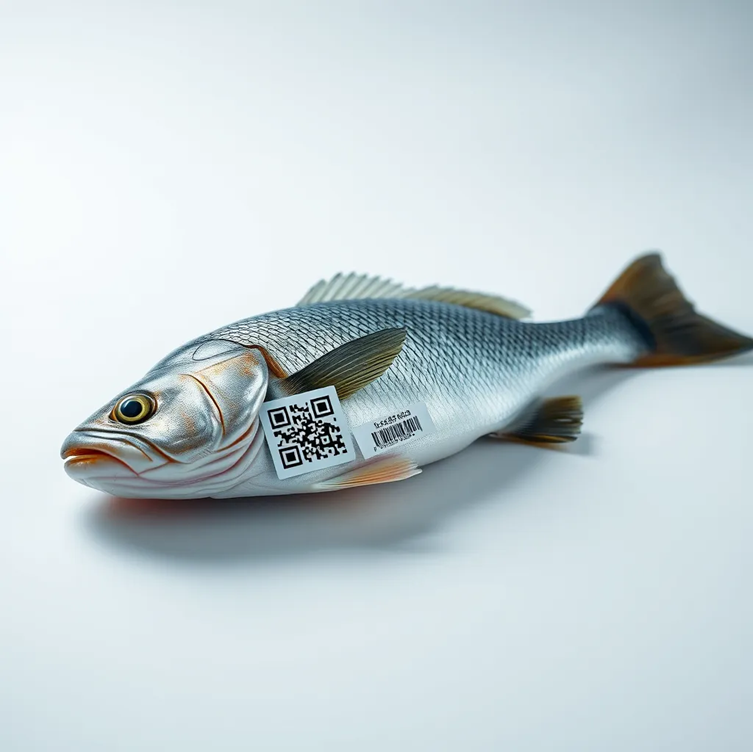
Technologies such as IoT (Internet of Things), blockchain, QR codes, and RFID (Radio-Frequency Identification) are increasingly being integrated into traceability systems to enhance transparency and efficiency. The ISO 23455:2022 standard, for example, focuses on the use of blockchain and distributed ledger technologies (DLT) for managing the cold chain, outlining functional requirements and use cases for tracking temperature-sensitive products. The goal is to ensure data integrity, real-time monitoring, and transparent traceability of environmental conditions, further strengthening the reliability and accountability of the seafood supply chain.