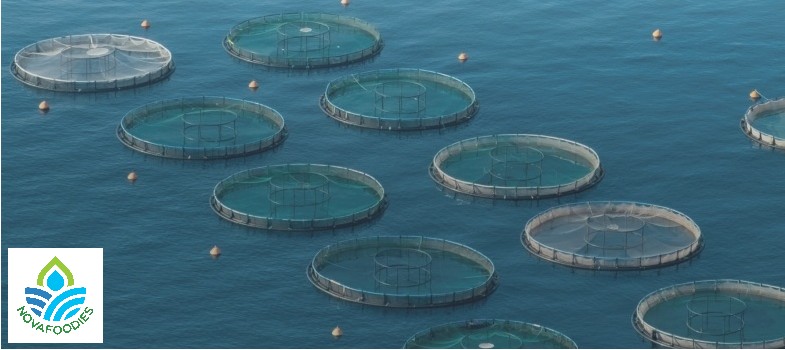
The third module of this course explores key regulatory and ecological aspects of food quality and safety, with a focus on both innovative and traditional food systems. It begins by defining Novel Foods and their EU regulatory framework, distinguishing them from traditionally consumed foods in non-EU countries, and explaining the EU’s authorization process. The module then addresses Functional Foods, clarifying their regulatory definition and emphasizing the importance of proper labeling. A significant portion is dedicated to the ecological dimensions of food safety and quality in seafood and aquaculture, highlighting the broader One Health perspective, the risks of antibiotic overuse, and its environmental impact. Finally, the module underscores the critical role of traceability across the entire food chain, from farm to fork, and examines how digital technologies, such as IoT, blockchain, and QR codescan, enhance transparency and resilience in food systems, supported by real-world case studies.
Target audience:
- Professionals seeking to learn more about sustainable approaches, wishing to shift future production to a more One Health centered form and reducing their environmental impact.
- Professionals seeking to stay informed about latest innovations and advancements in production and processing techniques, novel and functional food legislations and tracebility.
- Researchers interested in improving production and processing efficiency, sustainability, and environmental impact within the industry.
- Other contributer to the value chain, such as suppliers, policymakers, and industry associations, who play a curcial role in ensuring the sector's growth, innovation and sustainability.