Living FROM treescapes
Prosperity from trees
Listen to Joanne Morris (University of York) read the 'Living From' visionAudio player: Listen to Joanne Morris (University of York) read the 'Living From' vision
My company sent me on a mission to learn about the city and its green investment opportunities. As I drove into town, the roads leading from the centre were lined with blossom trees giving a welcoming feeling. From the top of tour buses, tourists took photos of the blossom. Trees make our city attractive to visit, and greening of the city has benefited the tourism industry. Continuing into town, I parked near the city council offices and went in to meet my contact, the green investment manager. They took me up to the roof garden, with a fantastic view over the city.
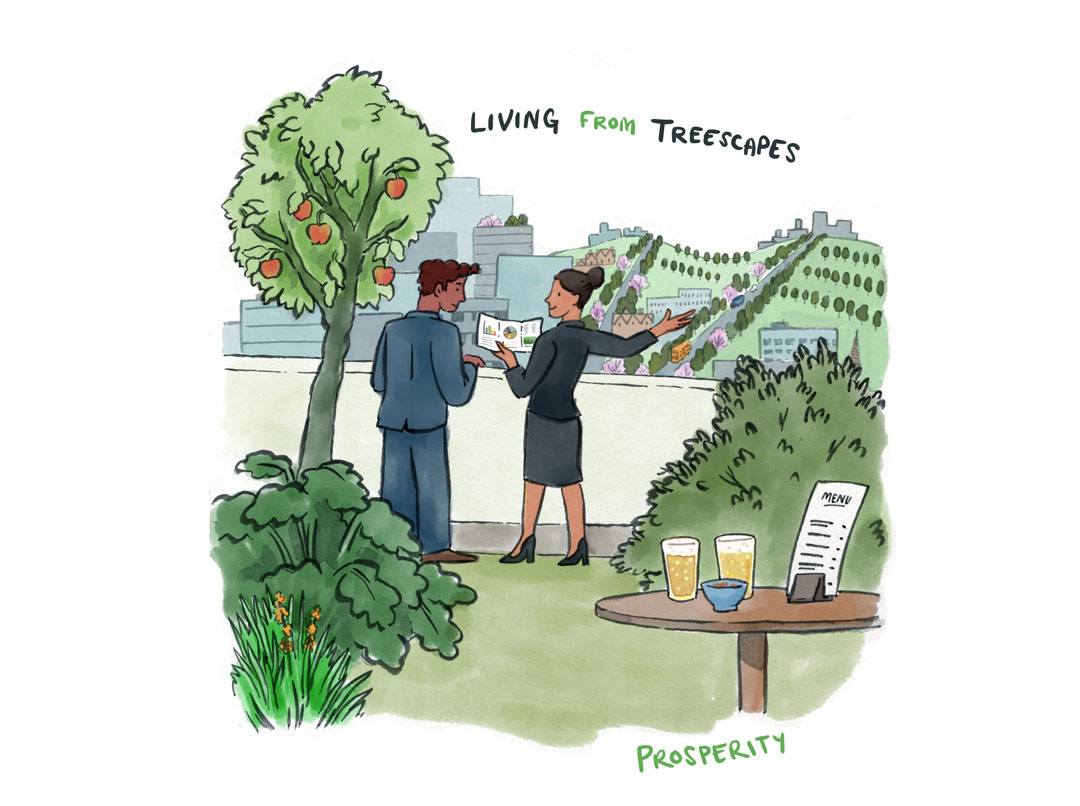 Figure 4: An illustration of the 'living from' vision
The investment manager handed me a brochure. There were opportunities all over the city. In the centre, exclusive roof gardens for paying customers, with a great looking return. The investment manager pointed out green areas on the edges of the city where there are partnership opportunities to invest in agroforestry, where fruit trees and timber trees are growing amidst other crops and livestock. Tree species that make a mess on the street are now grown in these areas instead and there is less cleaning up for the local authority to do.
The investment manager proudly showed me the radial greenways that stretch from the town centre out to outlying villages and new housing estates. I could see the hedges, full of fruit trees with runners, cyclists and walkers moving alongside them, all saving money on healthcare! Looking up the river, it is possible to make out new areas of trees in the distance. These are planted for several purposes: they are fast growing, to offset the carbon emissions that the city makes, but they also absorb water and slow down the speed by which rain ends up in streams and rivers. The risk of flooding in the city has gone down significantly.
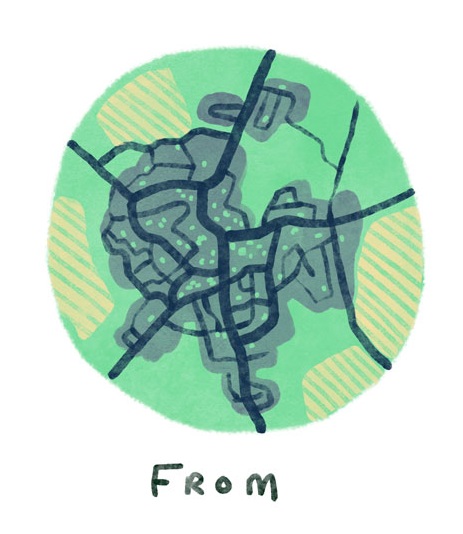 Figure 5: A map of an illustrative city showing strong 'living from' characteristics
When I went out to eat that evening, the restaurant seemed slightly short of staff. The owner told me that the local teenagers like to get jobs in the agroforestry farms in the summer, and some stay on to learn to do the more skilled jobs like pruning or maintaining the rooftop gardens.
Planning is not primarily managed to protect nature and wildlife for its own sake, but to make use of nature’s benefits most efficiently. Woodlands are expanded in some places to compensate for losses in other places that are economically most attractive for development. My company has an opportunity to build an industrial complex in another city, but we acknowledge that there will be some damage to nature, including an area of trees. If we invest in biodiversity credits in an agroforest here, we can offset the trees and nature we will lose elsewhere and we'll get a nice return on the fruit and other agroforestry products. This will also help compensate for the loss of some old tree-lined lanes just outside of the city that had to make way for new transport links. I'm looking forward to reporting back to the directors next week.