Living WITH trees and treescapes
Healthy ecosystems and protecting the environment
Listen to Janice Ansine (The Open University) read the 'Living With' visionAudio player: Living%20With%20recording.mp3
In our city, we wanted to make more space for nature, and trees are a key part of that. Biodiversity, trees and the animals and plants that depend on these deserve to be protected for their own sake. They are also important because of their life supporting services - they are an essential part of the healthy ecosystem that we all depend on and need to maintain to adapt to climate change.
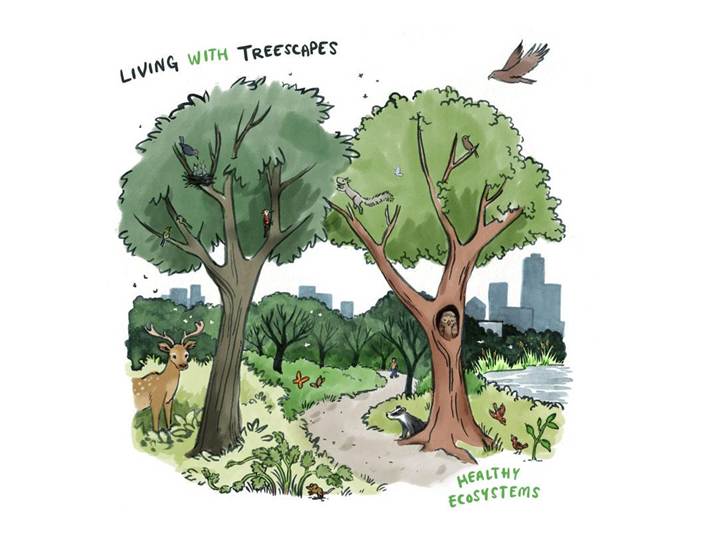 Figure 8: An illustration of the 'living with' vision
Our strategy was twofold, we wanted to create new areas of woodland for nature to thrive, and make sure treescapes were ecologically interlinked throughout the city and surrounding areas. We developed the city into a living landscape, connecting existing green spaces and adding trees and hedgerows strategically to provide places for wildlife to live and cover through which it can move. Maintaining and extending trees along highways and arterial routes into the city and creating wood meadows near key public places have added shade, urban cooling and cleaner air and brought an abundance of birds, insects and other wildlife. Large new national nature reserves have been created outside the city, with a focus on creating spaces that were large enough to support populations of species that were threatened by extinction or that had disappeared from the area in the past.
Tree planting is focused on maximising ecological benefits, so planning is led by ecological experts supported by citizen scientists. Reviving river and canal sides and expanding hedgerows has increased the city’s flood protection and is a core part of our network of green corridors. Nature bridges connect green spaces across main roads, street corners and derelict spaces have been turned into pocket parks or tiny forests, with information boards on biodiversity that the space provides.
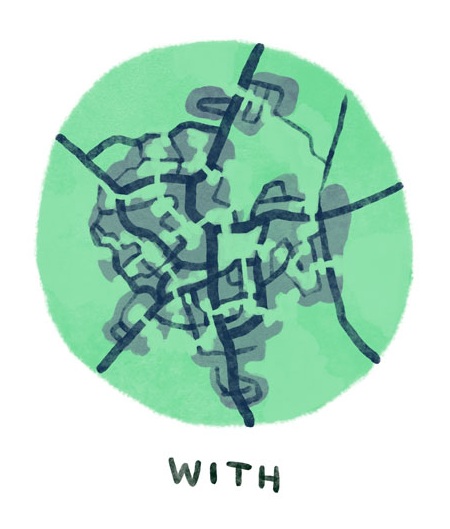
Figure 9: A map of an illustrative city showing strong 'living with' characteristics
Climate resilience has also been important. We selected species for drought and flood resilience and in light of long-term management. The integration of forest school activities in national curriculums has fostered, in successive generations, more knowledge and appreciation for local treescapes and built the traditions and skills for stewardship.
Local businesses and developers agreed to support the council and take responsibility for trees near them as it formed part of their sustainability strategy, to offset carbon, increase biodiversity and support employee wellbeing by providing green views. Residents are actively encouraged by the council and charities to plant trees in and maintain bee, insect and wildlife friendly gardens, back alleys and allotments.
The connected, living landscape has been built with nature as a hard constraint. In other words, developments cannot go ahead if they have a significant negative effect on biodiversity or rare species. This has meant we have had to be very selective in terms of where we’ve been able to expand housing and other development, restricting it to brown field sites and low-grade agricultural land. Because we feel giving space to nature is at least as important as development, developments have become more efficient; we are seeing more compact housing and apartments to make the best use of available space. This does mean that large houses come at a premium.
The green corridor network has also meant less cars in the city. A number of key routes in the centre and connecting suburbs have become safe green lanes for walking and cycling only. This has encouraged more cycling and walking. The constraints on cars have also boosted public transport use and use of cargo bikes.
Overall, we are living much more with nature, wildlife populations have massively increased in the city, and the city is cleaner and more resilient to flooding and heat waves.