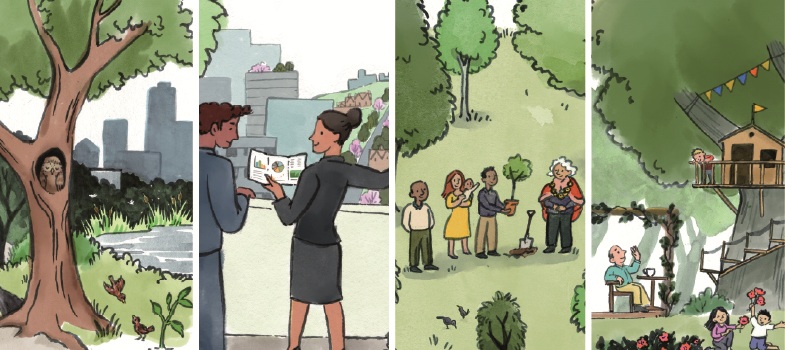
Introducing the Actions
The 'Actions' detail specific items that could be implemented. They include a headline and a short description. They are not necessarily processes or 'verbs', but they are distinct from the Outcomes by becoming more specific, often directly describing the mechanisms required to deliver them. In the participants, it moves towards developing a consensus around tangible steps that could be taken in practice.
Overall, the Actions are intended to identify a direction of travel. Facilitators can ensure that discussion does not become bogged down in discussions of how extreme the actions should be considered, e.g. 'more trees in private gardens' does not mean that all private gardens would need to convert their lawn to a forest. It can be useful for participants to sketch what would be considered going 'too far' or ‘not far enough’, but with the aim of prioritising the actions rather than developing a highly-specified end point.
The actions range across and beyond the local government remit, meaning although some might be delivered directly by a local authority, others would involve a broad array of stakeholders (including different functions within a local authority). Many would require coordination between groups, but some could be accomplished by influencing individuals to act.
In the following tables, the 'Mentioned by' column is to support easier cross-reference to the Visions to support understanding and, potentially, prioritisation. However, it is not required that the discussion seeks to align actions and visions.
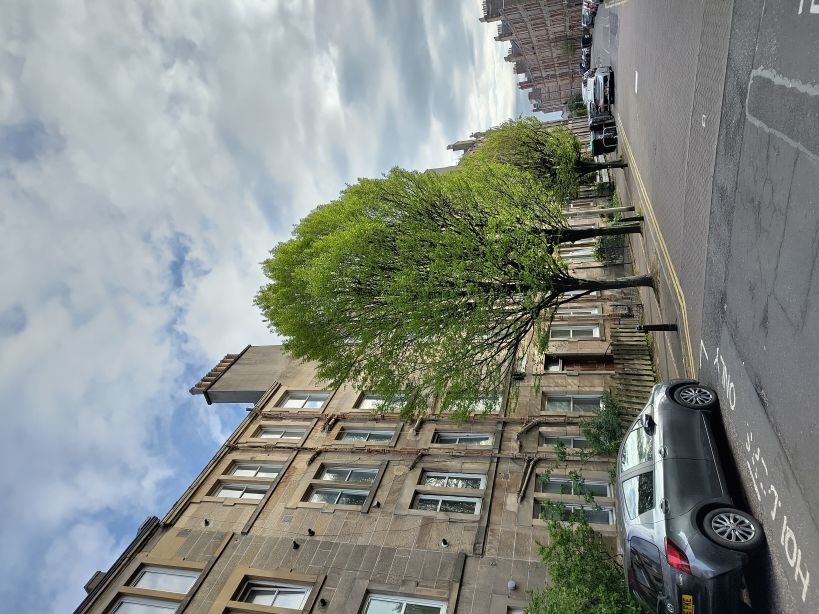
Figure 10: Victorian tenements, with a pavement build out hosting mature trees
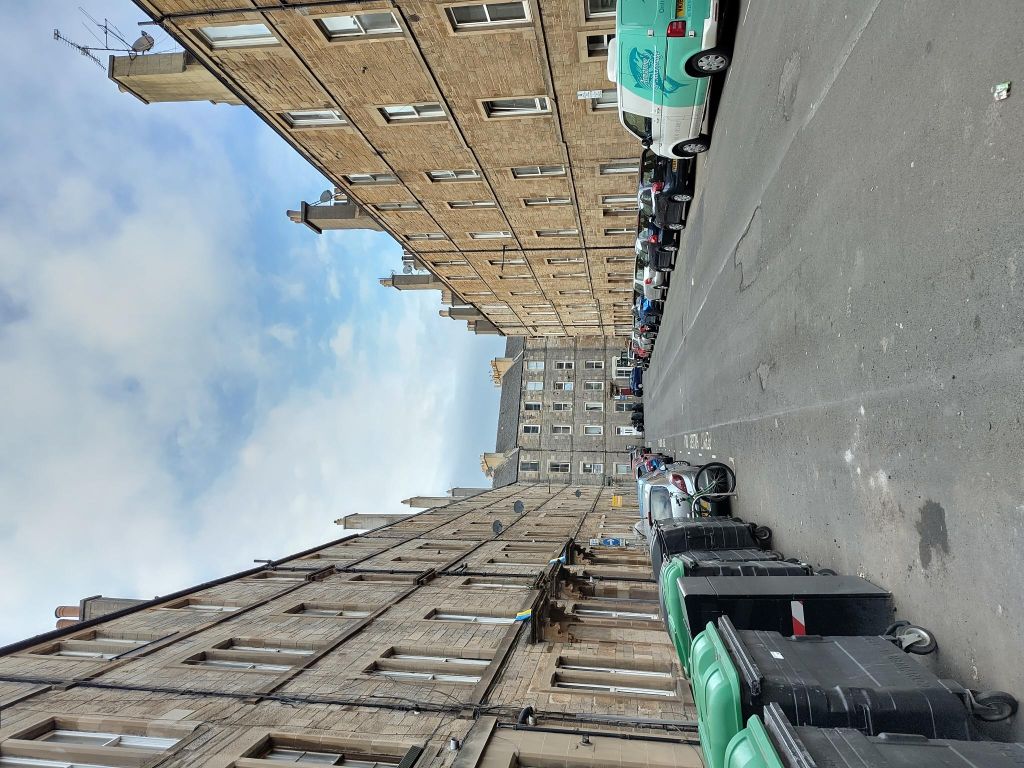
Figure 11: Very similar tenements, with parking maintained and no trees